
Beth's story
Creating the Epilepsy Warriors podcast
Beth was diagnosed with epilepsy ten years ago and has idiopathic generalised combined epilepsy which is not controlled by medication. She set up the Epilepsy Warriors Instagram account (@epilepsywarriors) in 2021 when her seizures were at their worst as, she wanted to create a support network for herself and others in the UK and around the world. Beth now hosts a podcast, also called Epilepsy Warriors, which is available on Spotify.
We asked Beth what inspired her to set up this network and how her own experiences of living with undiagnosed epilepsy affected her growing up. Initially Beth hid her epilepsy, mainly because she and her family lacked general knowledge about epilepsy and didn’t know what was causing them or how to get help.
Beth said: “I didn’t take care of myself, and my seizures became more frequent and intense in 2021. I was let down by medical professionals; I felt very isolated for a long time. I always felt like I was "weird" (which I now proudly embrace) but in my childhood I went through a lot of trauma, abuse and neglect.
All of that exacerbated my seizures, so I felt like I couldn't ask for help. I just felt like no one around me took it seriously. I would have them more frequently than anyone I knew, but I just kept it to myself because I didn't want to be a burden.
I was often given hurtful labels like “ignorant” or “lazy,” by others, but they didn’t understand that my so‑called ignorance was, in fact, focal seizures, and what looked like laziness was the result of extreme fatigue, pain, and depression linked to my epilepsy.
Of course, it was difficult for everyone and people don't know enough about the signs, especially when it comes to focal seizures. It was hard for my family to distinguish between what they thought they knew and what my reality was. This is partly why I started raising awareness, so people would be more educated on how complicated epilepsy is and that it doesn't always present itself in the way many people think it does.”
Lack of diagnosis
Beth began having seizures at the age of two years old. These were diagnosed as febrile convulsions and her family were told she would ‘grow out of it’, but Beth was still having seizures beyond the age of six, which is when the convulsions should stop. It wasn’t until Beth was at college in 2014 that she had a six-minute seizure, and while at hospital, she was diagnosed with epilepsy.
Beth missed a lot of lessons and coursework at college and very nearly missed out on getting into university, but with the help of her sisters and best friends, she was able to catch up. She successfully completed her degree in BSc Forensic and Analytic Science and not only gained a 2:1, she made friends for life.
She is frustrated that her epilepsy was not diagnosed earlier and said: “I went all that time knowing there was something medically wrong with me, but I was just left to live with it until I finally saw a doctor who helped me fight for a diagnosis.
To medical professionals, I would say this condition, such as focal impaired awareness seizures, absence seizures, post-ictal confusion, medication side effects, and risks like SUDEP, are not always fully acknowledged in routine medical conversations Epilepsy can hide in the corners of the mind; seizures can’t be produced on demand by a patient and normal EEGs do not mean a person doesn’t have epilepsy, the symptoms are real, the seizures are real and people deserve better than to be dismissed.
But to other medical professionals that do see us, hear us, acknowledge us - thank you. Thank you so much for embodying it means to care for people. You are the unsung heroes and you are appreciated.”
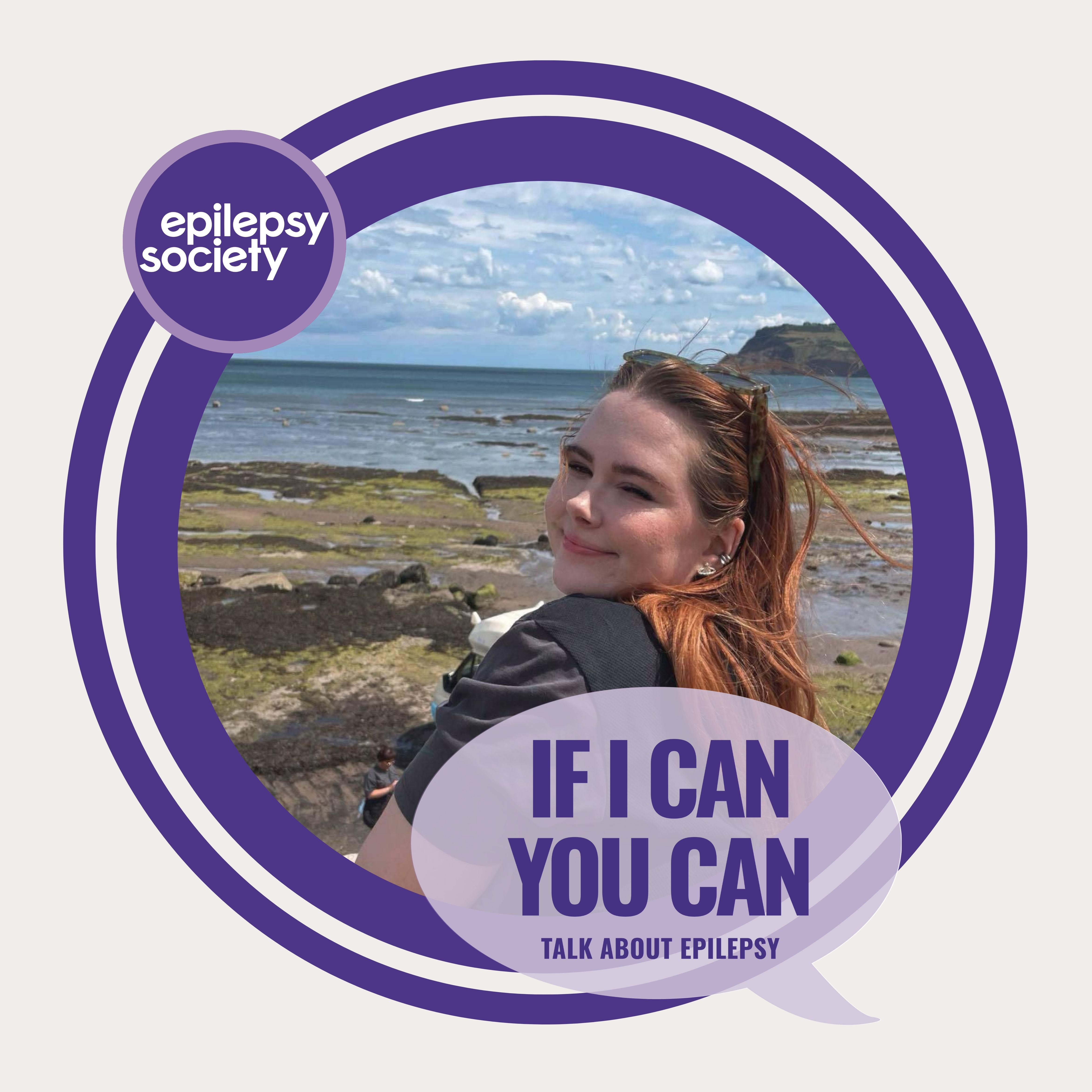
Epilepsy Warriors
Beth hasn’t pursued a career in forensics but is focusing on her work as an epilepsy advocate and is planning on writing a series of children’s books to help younger people understand epilepsy. She has found setting up the podcast has helped her channel her epilepsy in a positive way by creating a space for people to share their experiences. She said: “I don’t have experience in presenting or journalism, so I did have some anxiety initially, but I’ve always been ’that person’ for my friends and family in terms of being someone to talk to and confide in, so doing the podcast and talking to people has started to come naturally to me. I have really enjoyed doing it so far!”
Living with epilepsy as well as depression, anxiety, CPTSD and fibromyalgia further complicates her already existing symptoms, but Beth is unstoppable. She stated: “Epilepsy is more than just seizures; it can impact memory, mental health, independence, employment, and everyday life in ways that aren’t always visible.
Many people with epilepsy work, study, raise families, and live full lives, but they may face stigma, misunderstanding, and unnecessary fear from others. It is important that we lift each other up, support each other, and advocate for one another because life is hard enough for people dealing with a condition they can’t help existing with.
To people with epilepsy, our lives can be unpredictable. Epilepsy can interrupt plans, challenge independence, and test your confidence. But it does not define your strength, your intelligence, your kindness, or your future. You are more than a diagnosis. You are navigating something that many people don’t fully understand and you’re doing it with determination and heart.
Let yourself have those low days, and angry moments, but hold onto hope. Celebrate the seizure-free days. Be gentle with yourselves on the difficult days. Keep advocating, keep learning, keep loving.”
You can listen to the Epilepsy Warrior podcast on Spotify.