Abby's story
You don't look like you have epilepsy
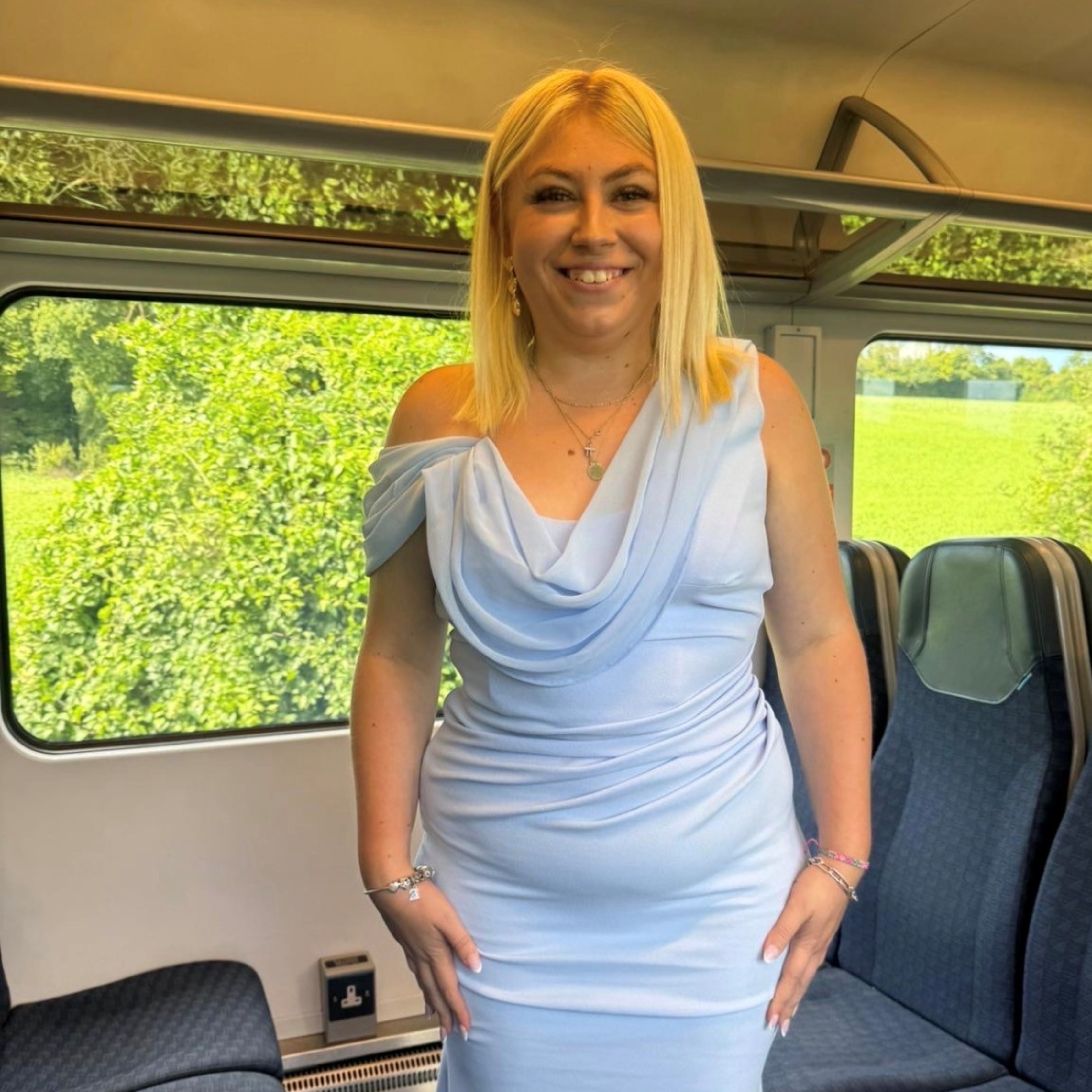
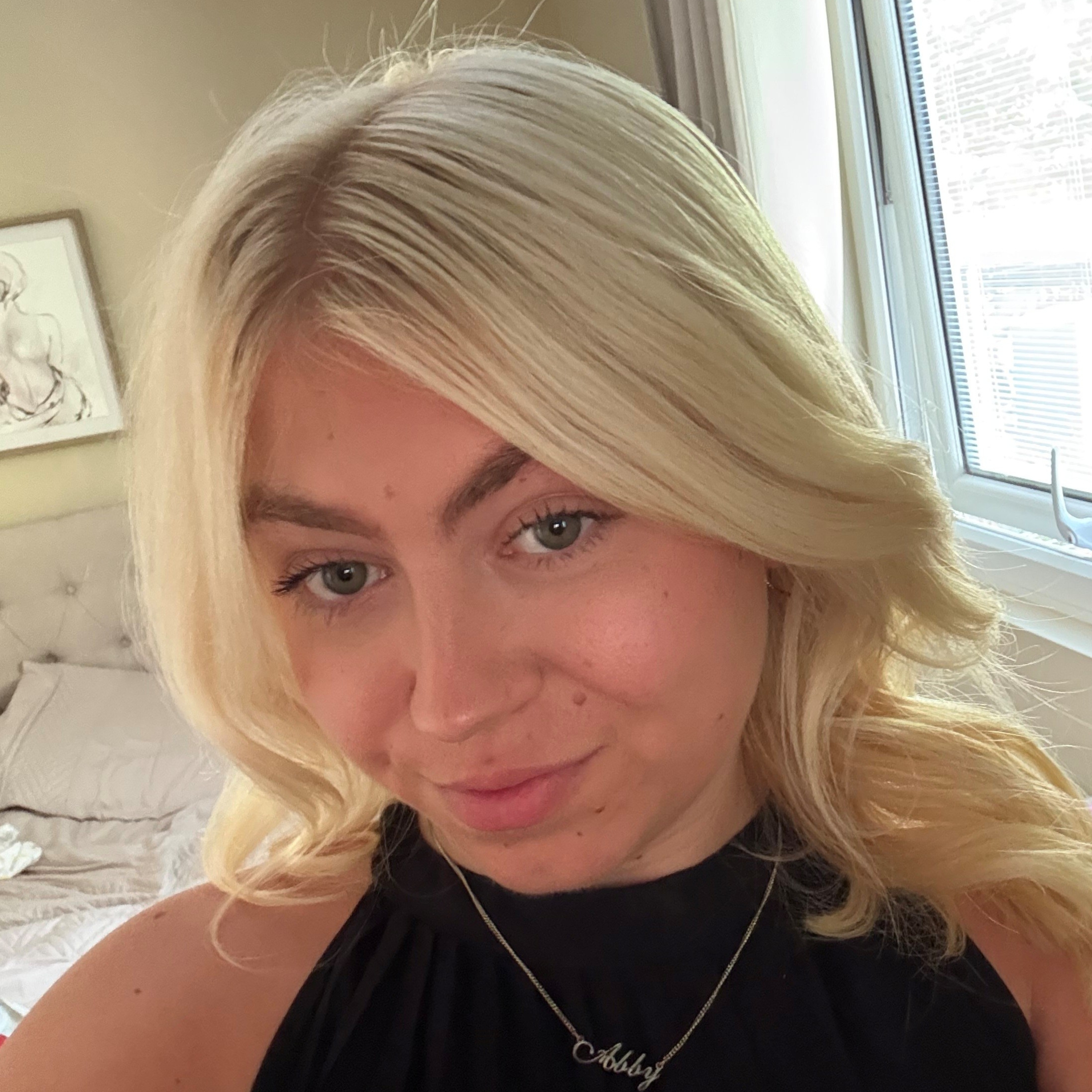
Abby uses her Instagram account to raise awareness of the realities of living with epilepsy. She is now nearly one year seizure-free, but Abby is determined to change how people approach disability and the way they talk about it. She isn’t afraid to show off her bruises, the impact on her mental health, her anxiety about travelling alone and going out unaccompanied in case she has a seizure.
Having had intense tonic-clonics which have caused her significant injuries and side effects from different medications, Abby is determined that epilepsy won’t define her, but she wants people to understand that epilepsy is more than ‘just seizures’.
Now 26, she started showing signs of having epilepsy at the age of four and was formally diagnosed the following year with juvenile myoclonic epilepsy. We spoke to Abby about her experience:
“I used to have absence seizures when I was a child and when I was officially diagnosed with epilepsy, I was prescribed sodium valproate. It worked well and it was assumed I’d grown out of it. When I was 17, I moved from paediatric to adult care and was switched to Lamotrigine as sodium valproate is not recommended for younger people.
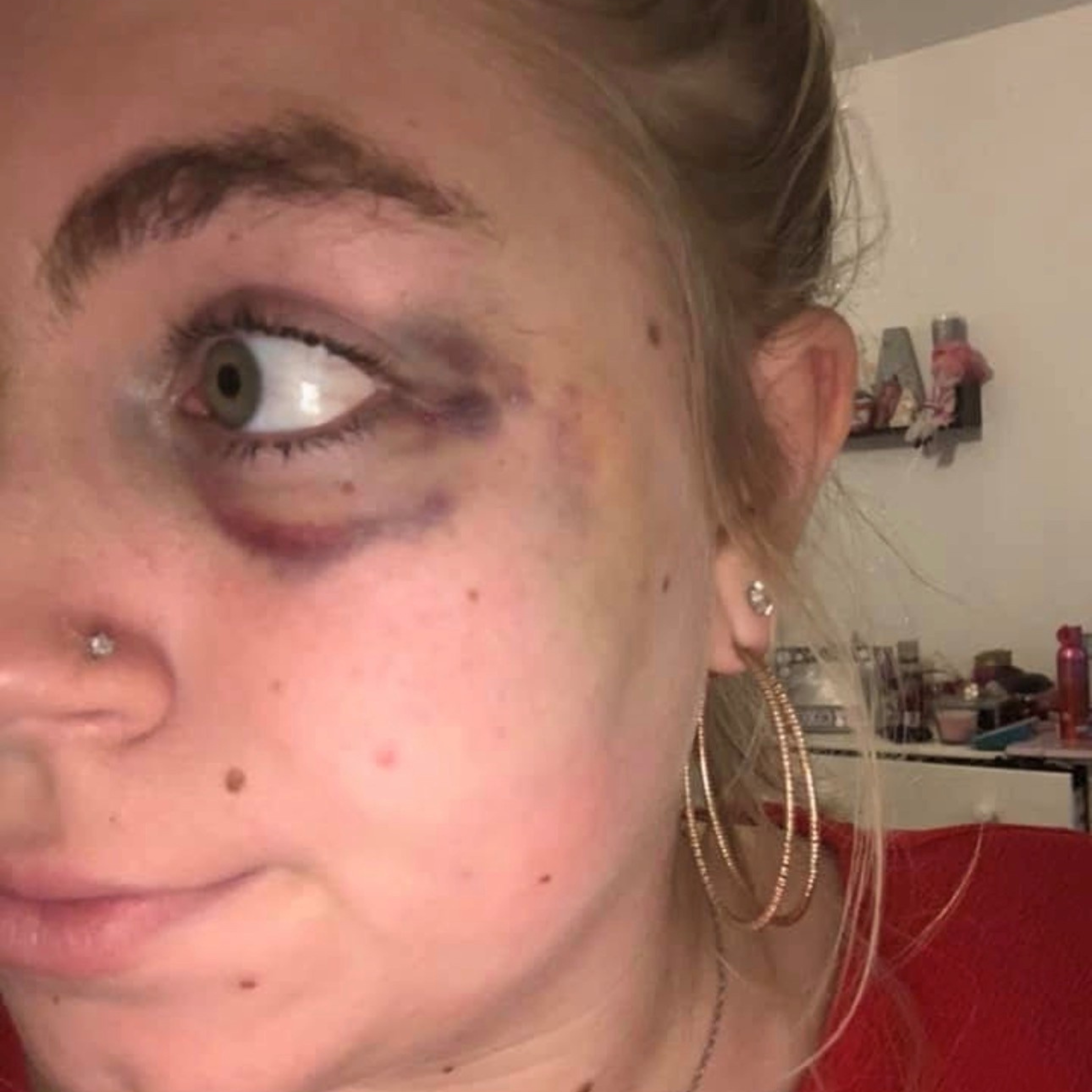
When I was getting ready for work one morning, just before my 18th birthday, I had my first tonic-clonic seizure. Luckily, I was brushing my hair at the time. I wasn’t so lucky with my next seizure as I was in the bathroom and smashed half my face.
My last seizure was incredibly distressing, less for me as I wasn’t aware of what was happening, but for my cousin who hadn’t seen me having a tonic-clonic before. We were going to the National Television Awards in London and travelled by tube. It was quite stressful getting in to the venue as the security guard refused to accept that I have a disability. When we were returning home, I had a seizure and I smacked my head on the bars that people use to hold onto when travelling on the tube. Fortunately, there were two off-duty nurses on the Tube and they helped me, but an ambulance was called. I don’t always need to go to hospital but because I banged my head, they wanted to make sure I was okay. It was very frustrating as the A&E department was extremely busy; it took four hours for me to even be seen by a triage nurse”.
Medication and side effects
Abby also wants people to understand anti-seizure medication side effects and the importance of taking your medication on time. She lives in constant fear of forgetting her medication and often questions if she has taken her tablets due to memory loss. Difficulties sleeping at night is also a side-effect of the medication. She has gained weight on her current medication, but she accepts that it is the best at managing her seizures despite the fact it makes her feel self-conscious at times.
“I’ve been on many different anti-seizure medications. Clobezam didn’t work for me, and my hands started to jerk. Switching to Lamictal (lamotrigine) didn’t help and made my hand jerking worse. I found the situation really frustrating as I had no control over my hand movements. I couldn’t hold a cup without spilling the contents and it would happen so often it really restricted me from day-to-day activities. After another EEG and MRI scan I was put on Perampanel, which did ease my hand jerks a bit. However, it caused urine retention, and I ended up being rushed to the hospital and needed to have a catheter for several days.
It wasn’t until I had further tests and attended a sleep deprivation clinic that I was then prescribed sodium valproate. I am coming up to a year being seizure free but I want people to understand the side effects of anti-seizure medication”.
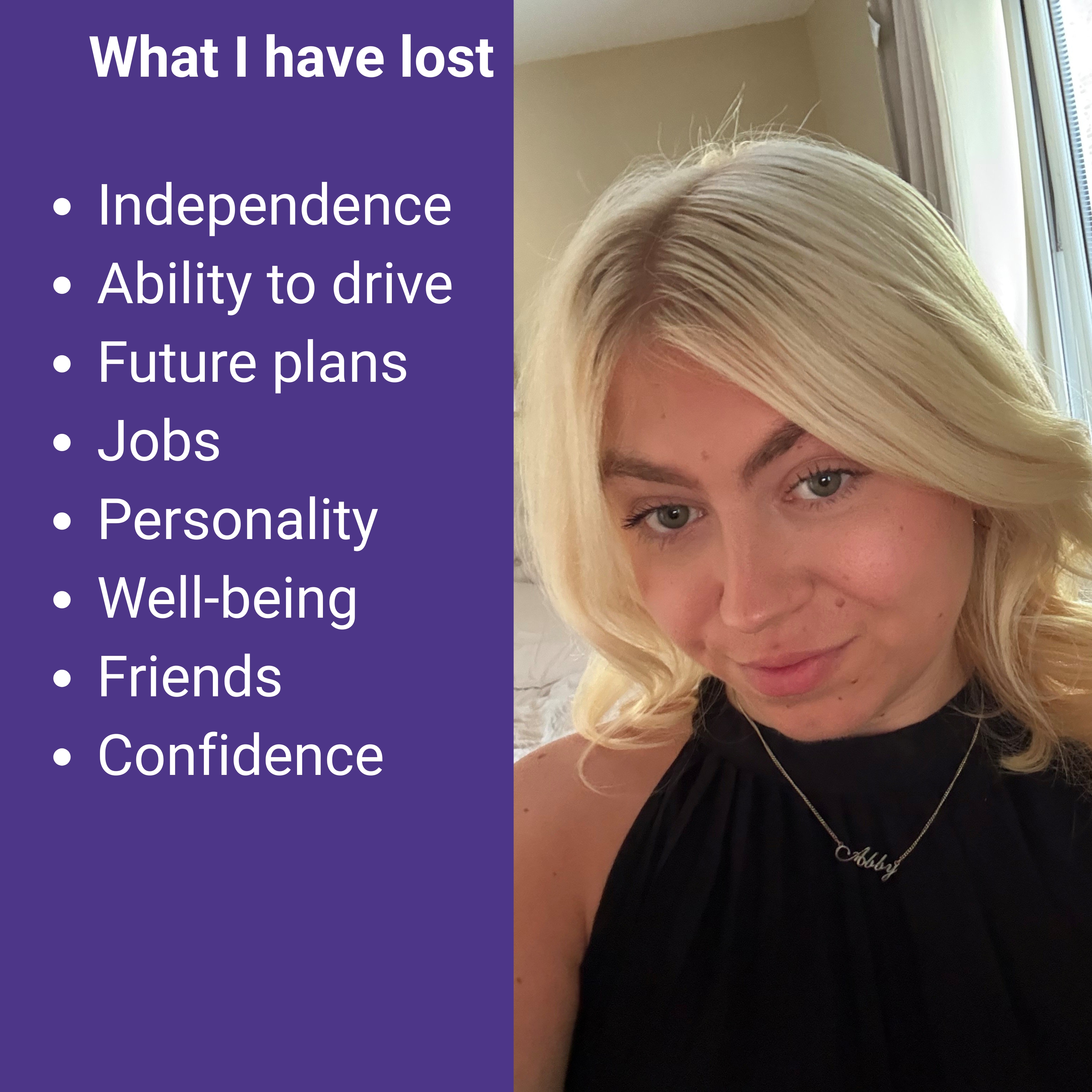
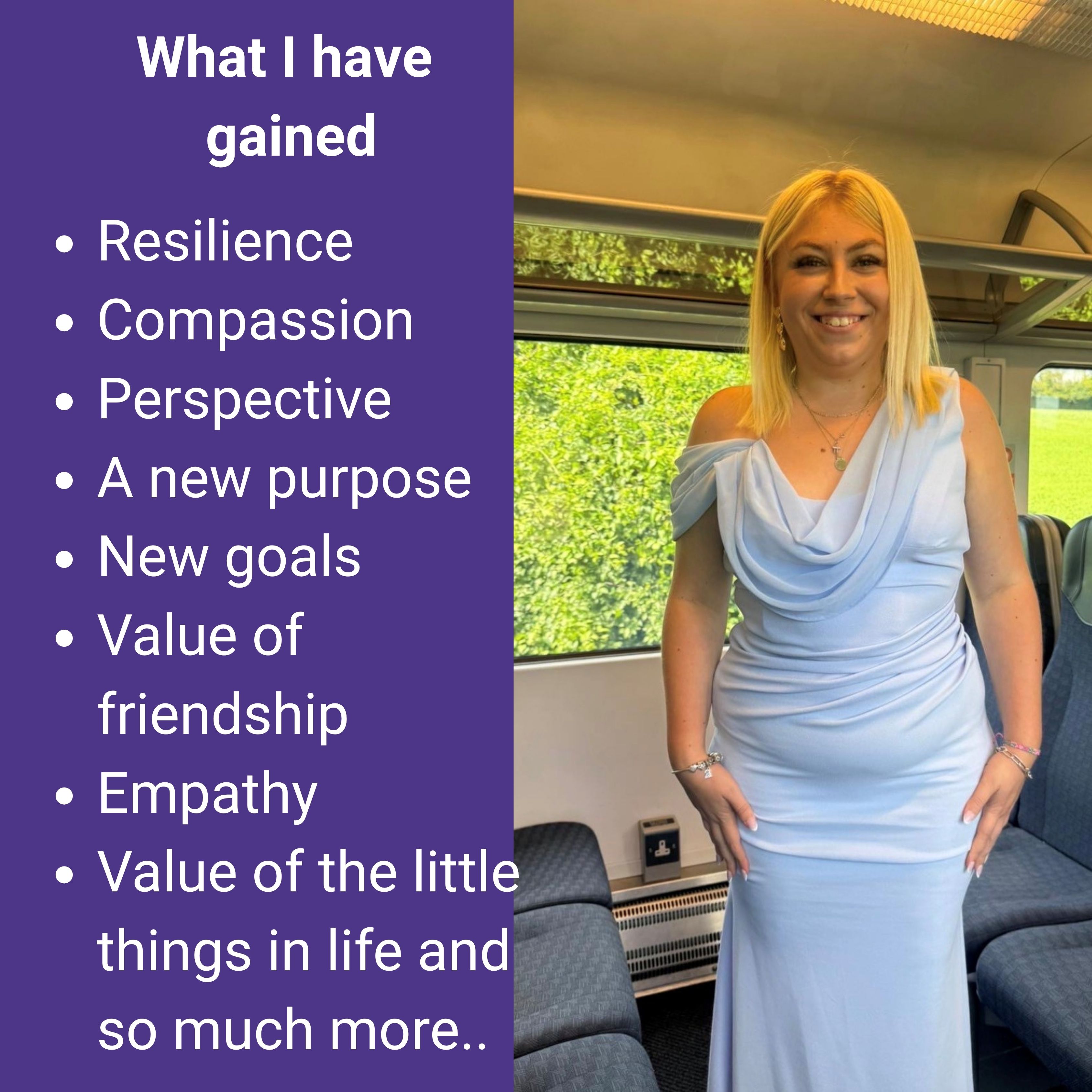
On her Instagram, Abby listed what she feels she has lost having epilepsy but also what she has gained. She is determined to raise awareness and would love to see epilepsy featured more fully on TV. Not just the drama of a seizure but showing a character getting on with their life and taking their tablets. To normalise the condition and to show the ins and outs of epilepsy.
Despite the realities of her injuries, the impact on her mental health, the side effects and how her life has been turned upside down by epilepsy, Abby still looks for the positives and wants to help others navigate their epilepsy journey.
You can follow Abby on Instagram at abbyharrison14