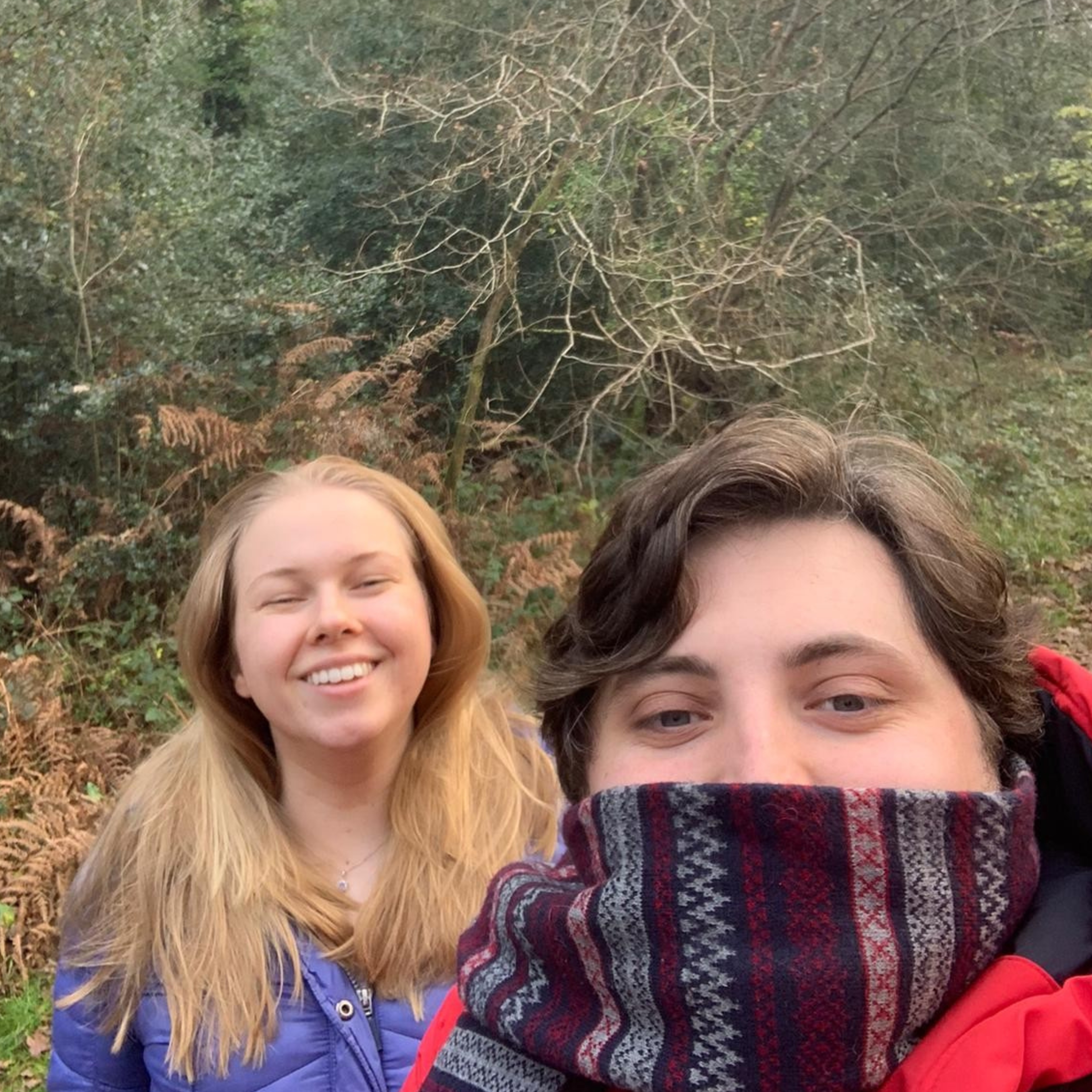
Madeline's story
The Hidden Reality of Uncontrolled Epilepsy
Madeline was diagnosed with epilepsy at the age of 13. Fifteen years later, she has written Diary of an Epileptic, where she documents the years of medications, hospital stays, side effects and impossible decisions.
Madeline shares the impact on her mental health and how she used to measure her life in seizure-free days and months, in medication changes, in surgical possibilities. She now measures it differently: “In ordinary mornings. In laughter with my husband. In mugs of hot chocolate that grow cold because we are talking too much. Epilepsy remains part of my story, but it is no longer the thing I am waiting to outgrow before I begin living.”
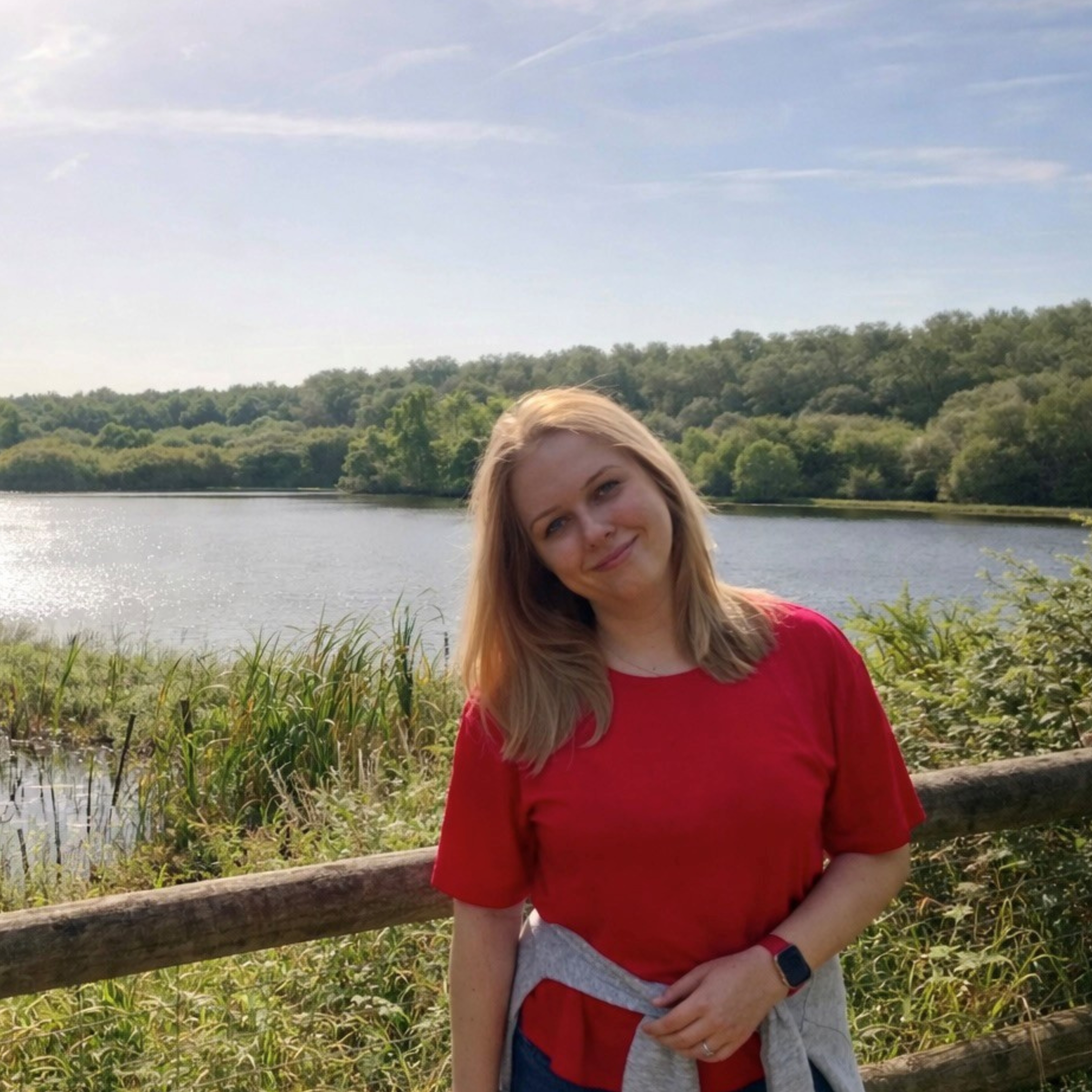
Coming to terms with the diagnosis of epilepsy
Madeline speaks openly and with raw honesty how she felt when she had her first seizures and then discovered she had epilepsy. She uses her personal experiences, which at times can be frightening and distressing, to reassure other people who are newly diagnosed.
“Confusion and uncertainty are often part of the beginning. If you feel overwhelmed right now; that does not mean you are failing, it means you are human. What no one explains at diagnosis is that the seizure is only part of it. The recovery can feel like being dropped back into your body without instructions. My muscles ached as though I had run a marathon I didn’t remember starting.
My tongue was swollen, my head heavy, my thoughts slow and scrambled, But worse than the physical pain was the confusion.
Waking up to frightened faces and half-finished sentences, realising something catastrophic had happened inside you without your permission, is its own kind of trauma. For a long time afterwards, I was afraid, not just of the seizures, but of the blank space they left behind. “
Having been very studious at school, Madeline saw her grades drop as she struggled with memory loss and lack of concentration. Madeline was struggling to remember information and this meant she wasn’t able to sit her exams at first. When her medication was changed she was able to sit her GCSEs as it didn’t impact on her memory as much.
While some of her teachers were supportive and understanding, she found one teacher didn’t appreciate how epilepsy and anti-seizure medication can impact your memory. Madeline said: “It is a particular kind of pain, to be accused of laziness when you are fighting your own brain simply to stay conscious. Invisible illness creates visible misunderstanding. That was one of the hardest lessons to learn.”
By sharing her experience, Madeline hopes to help newly diagnosed people, particularly those who develop epilepsy in their teens, to navigate their new reality. Having tried so many different medications, with varying effects, Madeline has had ten months seizure free. She shares openly about the side effects including weight gain, the fatigue and depression. However, even when she has been at her lowest, she has found the love and support of her husband, family and close friends has helped her to live with her epilepsy and not let it define her. Even when she has faced may difficult decisions.
Throughout her diary, Madeline seeks to reassure people in a similar situation and encourages them to see help from epilepsy charities such as Epilepsy Society and values the support from being able to speak to people who also have epilepsy.
Brain surgery – hope and failure
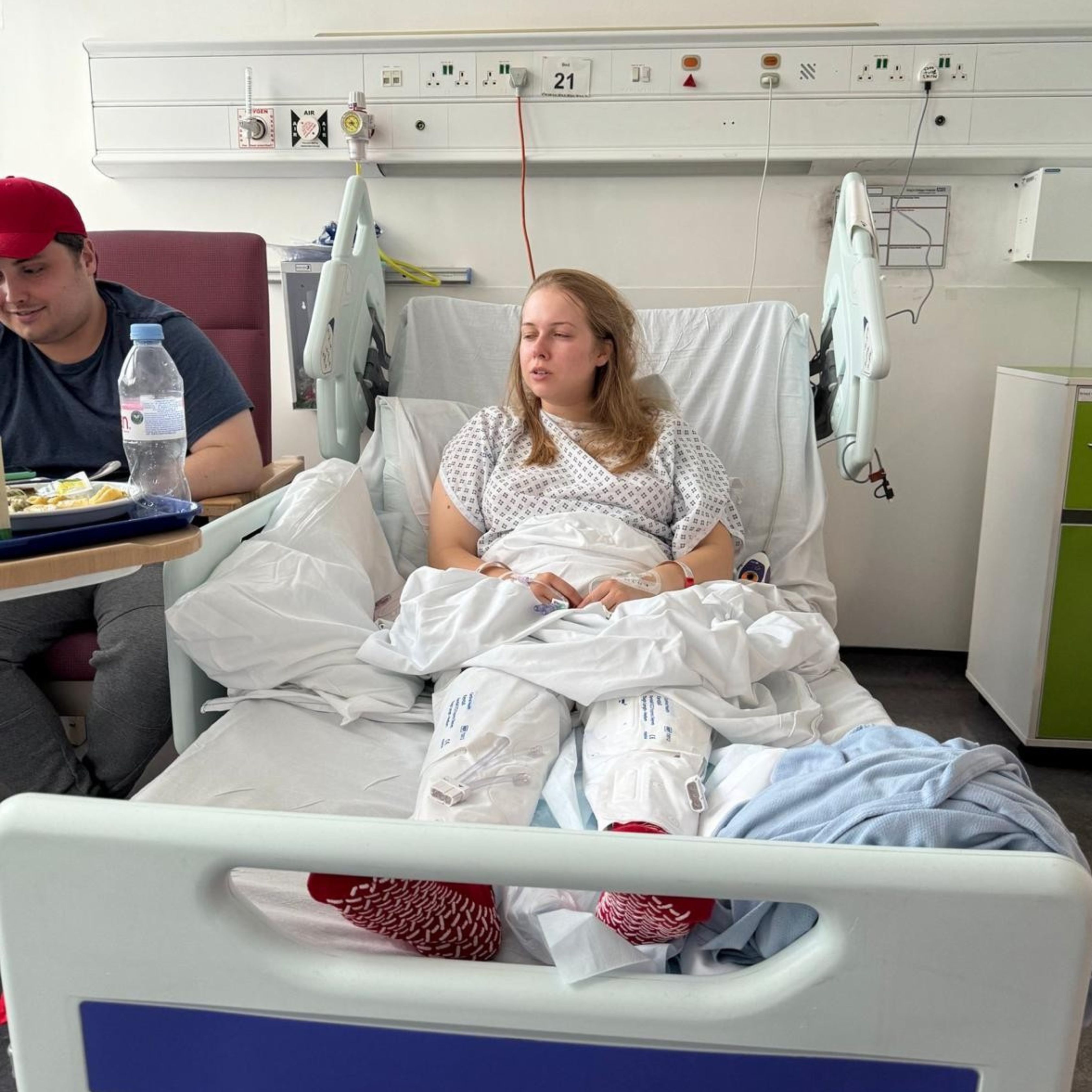
Having been prescribed ten different anti-seizure medications, which didn’t control her seizures, Madeline made the difficult decision to explore brain surgery. This is not an option offered to many people with epilepsy as there are many risks and no guarantee of seizure reduction or freedom. She was told she would certainly lose all peripheral vision to her left-hand side and only a 25% chance at seizure freedom, Madeline was overwhelmed. She said;” At twenty-three, most are planning holidays, careers or weddings. Making decisions about potential vision loss for a chance at seizure freedom is an unimaginable burden, and it’s okay to feel overwhelmed. I was no longer asking how to stop seizures, I was asking how much of myself I was willing to trade for the chance to stop them.
Surgery discussions are not the norm for most people with epilepsy. But if you ever find yourself facing impossible decisions, give yourself permission to pause. You are allowed to be scared. You are allowed to take time. And you are allowed to choose the option that projects not just your life, but your quality of life. There is no ‘right’ answer in moments like this. Only the answers you can give with. And it can take time. “
Rather than traditional neurosurgery, Madeline was told about a type of surgery called Laser Interstitial Thermal Therapy (LITT) which is much less invasive and the risks are much lower. It was originally only available in the United States at a cost of £100,000 but Madeline was fortunate that NICE agreed to fund the surgery at a hospital in the UK.
It took a long time for Madeline to have her surgery due to Covid but she doesn’t flinch from sharing the realities of having an SEEG (Stereoelectroencephalography where neurosurgeons place electrodes in deeper and more extensive areas of your brain to record your seizures. She talks about the pain of the operation, how she had to have her long hair cut and very practical advice about how best to remove the glue that is used to secure the electrodes.
Unlike traditional brain surgery, LITT is a minimally invasive procedure where a small hole is made in the skill and a laser probe is inserted into the area that has been identified where the seizures are originating from. The laser heats the tissue to destroy the area causing the seizures.
Unfortunately for Madeline, four months after her LITT surgery she started to have an absence seizure which then became a tonic-clonic seizure that lasted for over 15 minutes. This was a major setback for Madeline and while she could have opted to have another surgery, she made the difficult decision to live with her epilepsy.
Living with uncontrolled epilepsy
Living with uncontrolled epilepsy, the trauma of brain surgery which didn’t stop her seizures, status elipticus (extended tonic clonic seizures) the death of a close family friend and suicidal thoughts, Madeline’s diary is searingly honest but she concludes: “My seizures still happen. I am not cured. I am not fearless. I do not know what the future holds. But I am still here. I have loved, I have been loved. I live a life that is imperfect and mine. I’m not waiting for epilepsy to give me permission to live. That will have to be enough.”