
The true impact of medication shortages
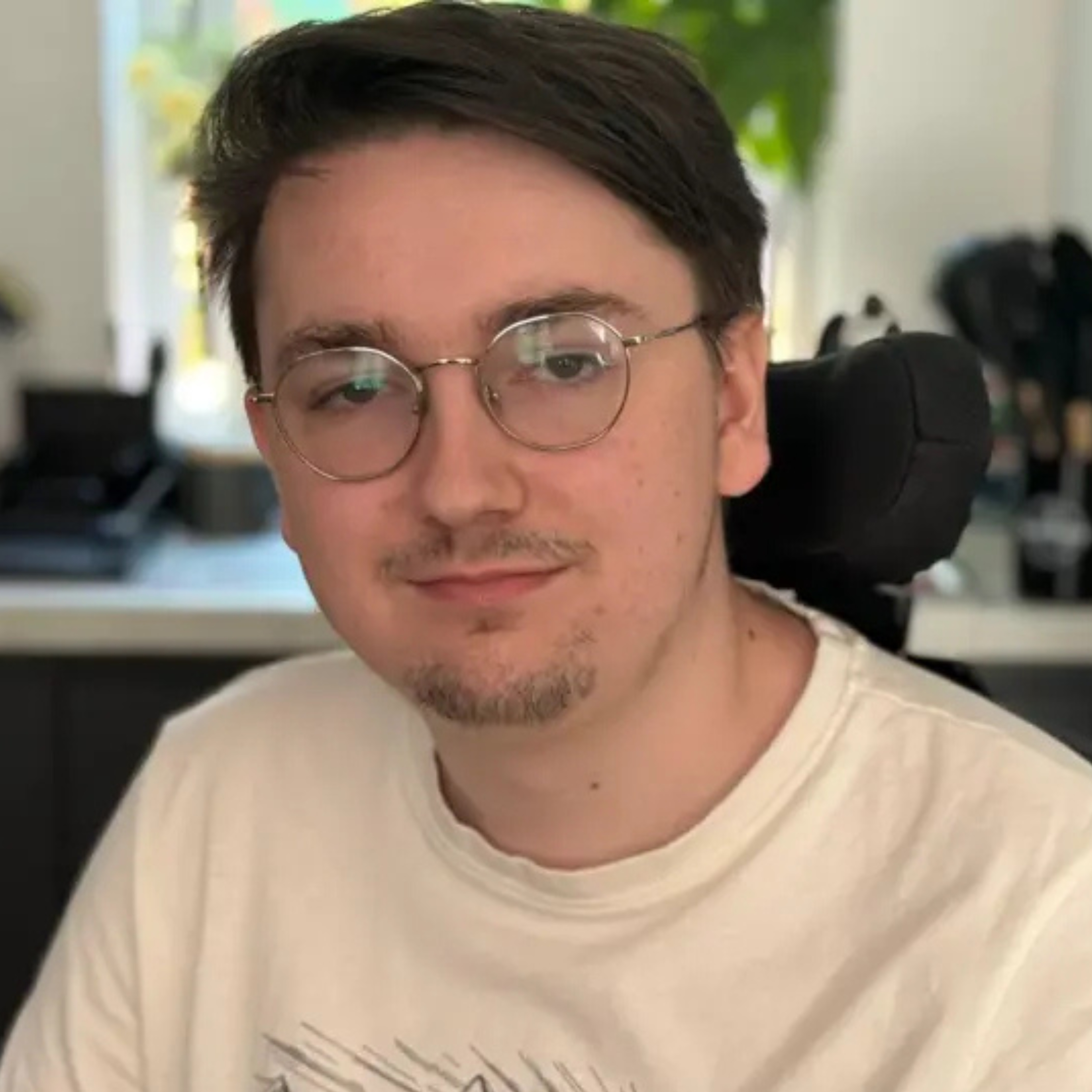
In a news report about medication shortages on BBC Midlands this week, Jack Tolley talked about how he had to leave university because he was struggling to get hold of key medication to treat his epilepsy.
Jack was diagnosed with epilepsy in his first year at university, which came as a complete surprise to his family. He was really enjoying studying, making new friends and making the most of life at university. While he knew he had severe epilepsy, regular medication should allow him to manage his condition.
Jack needs to take 17 tablets every day, of four different types of medication. However, with shortages of the life-saving anti-seizure medication that he needs, Jack struggled to fill his prescription. He cannot drive and had to travel to multiple pharmacies to hunt down his medication. Jack said to BBC Midland News: "I rely on public transport to get to these places but you're also fighting that with the risk of having a seizure.
“I wasn't able to go out by myself very often at all because there was too much risk of me collapsing in public or collapsing on a bus and the effects of that could be catastrophic," Tolley said.
His epilepsy is very severe and on one occasion he was put into an induced coma by doctors after having multiple seizures. Jack made the difficult decision to move back home and leave university and the close friendships he’s made because of the trouble accessing his medications.
Epilepsy Society Chief Executive, Clare Pelham said: “Medication shortages have real life consequences. Missing even a single dose can be life-threatening. We know how worrying it is for people to run low on essential medication and not know where to turn to find the supplies they need.
“Many people with epilepsy are either brand dependent or need to take the same generic medication to manage their seizures. So, while it has been suggested that people can swap out their medication if there is a shortage, this isn’t an option for many people with epilepsy.
“We are calling on the Health Secretary to protect people with cliff-edge conditions, like epilepsy, by ensuring they always have access to their life-saving medicines 365 days per year wherever they live in the UK; and whether home is a student hall of residence, a hospital bed or a care home.”
You can read the BBC Midlands article here: https://www.bbc.co.uk/news/articles/cx2328x4l7xo