
Priya's story
When Priya was diagnosed with epilepsy, her seizures were so painful that they would often make her cry. She was constantly scared of her own body and experienced brain fog, anxiety and irritability as well as being very emotional. Now she is keen to make sure people understand the different types of seizures beyond the convulsive seizures portrayed on television.
Priya, 22, was finally diagnosed with epilepsy just over two years ago. She’d been experiencing unexplained jerks, falling sensations and memory loss for some time. Originally, she was diagnosed with hypoglycaemia, which is low blood sugar, but it wasn’t until her symptoms didn’t improve that she was referred to a neurologist and three months later she was given the diagnosis of myoclonic epilepsy.
With no epilepsy in the family, the diagnosis came as a shock. Like many people, Priya didn’t know that there are many different types of seizures, and her knowledge of epilepsy was limited. She thought epilepsy meant tonic clonic seizures of falling to the floor as that is what you see portrayed on screen.
Priya would really like to raise awareness of epilepsy, the different types of seizures and that it is a serious and lifelong neurological condition. While her partner, parents and immediate family and friends have been very supportive, Priya has found many people are unsympathetic and don’t take the time to understand just how epilepsy has affected her.
Priya experiences brain fog, anxiety and gets irritable and emotional and struggled to cope with her diagnosis. She felt constantly scared of her own body. She wants people to understand that there is more to epilepsy than the seizures themselves and the side effects of anti-seizure medication.
When Priya had seizures (she is currently over 15 months seizure free) she would take a few seconds to recover and remember what she had been saying and she’d experience a headache. Sometimes her body would jolt harshly and it was so painful it would make her cry. While she currently isn’t experiencing seizures, the worry never goes away, and she is anxious about how her epilepsy might affect her in the future.
Priya is currently doing an apprenticeship at her local dental surgery and both the practice and her college have been very supportive. Epilepsy has affected her studying and learning at work and college. The occasional brain fog has meant that she sometimes needs extra learning support to help her remember what she has studied as part of her apprenticeship.
She wants more people to be aware of how epilepsy affects people differently. She completed the Challenge 100 for Epilepsy Society earlier this year so she could raise both money and awareness.
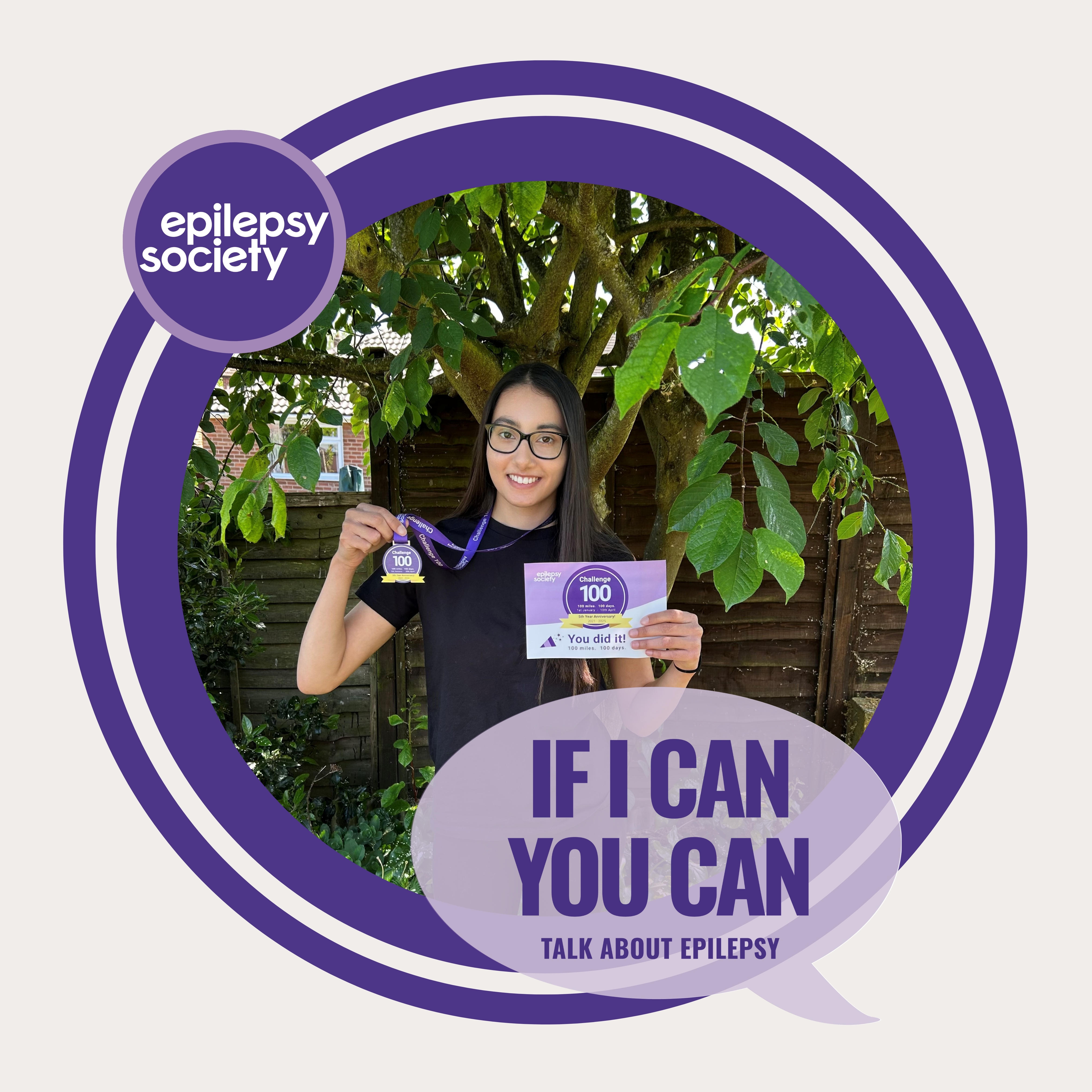
She said: “I’ve been told my seizures ‘aren’t real’ or that my epilepsy ‘doesn’t count’ because it’s controlled, and many focus only on when I’ll drive again rather than my health. This is frustrating and invalidating.”
Priya said: “After changing medication, my seizures became under control. Adapting to side effects of the medication was hard, but I began to accept my diagnosis, and I’m now over one year seizure-free. Through this journey, I’ve discovered strength, resilience, and the importance of looking after myself. When people say hurtful things about my epilepsy, I usually state the facts - there is more than one type of seizure.
Although I still fear relapse and feel slightly traumatised from the experience, I’ve found comfort and pride in connecting with the epilepsy community online. Their understanding and support have been invaluable. I have also been undergoing grief and loss therapy for my epilepsy to help me come to terms with it. “
My grief and loss therapy focuses on the changes that epilepsy has had on my life. The major change and loss that I had was losing my driving licence. It was a huge loss of independence for me and it was really upsetting. I struggled to come to terms with it. However, after meeting the DVLA requirements, I did get my driving licence back recently which has been super exciting and I never thought the day would come!