Sunil's story
Flipping the triangle around so epilepsy and medication aren't in charge of me
Sunil Pawar is an artist, lecturer, advertising and brand designer who has exhibited his artwork around the world and clients include Paris St Germain, Comme des Garcons and Levis. He sold his first artworks aged just 15 years old when he skipped school and walked into the offices of Soul II Soul in North London with a bag full of paintings and sold every one of them. His life changed when he received an epilepsy diagnosis aged 19.
Sunil Pawar is an artist, lecturer, advertising and brand designer who has exhibited his artwork around the world and clients include Paris St Germain, Comme des Garçons and Levis. He sold his first artworks aged just 15 years old when he skipped school, walked into the offices of Soul II Soul in North London with a bag full of paintings and sold every one of them. His life changed when he received an epilepsy diagnosis aged 19.
Sunil experienced his first tonic-clonic seizure at university. The seizure came completely out of the blue. He remembers speaking to a fellow student about how much he was enjoying his course and then waking up to find he’d cut his head badly.
As well as tonic-clonic seizures, Sunil experienced absence seizures which could last from a few seconds to several hours. He would lose all concept of time and space, but people wouldn’t know that he was experiencing them. Sunil said: “I was a DJ while I was at university, but I didn’t feel I could do things to my full capacity. It was really tough, but I got there eventually. If you’ve got a broken leg, it’s easy to quantify but with so many different seizures and symptoms, it can play with your head at bit. Especially when you are balancing work and home life, it can be hard to manage.”
He later discovered that he’d been prescribed a very high dose of medication which made him sluggish and unable to concentrate. He says he did eventually find stability, but only after he tried other anti-seizure medications (ASMs), including one ASM to which he had such a severe reaction that he developed Stevens Johnson Syndrome, a serious skin reaction that can occur in patients with epilepsy.
Sunil didn’t have the most positive experience when his epilepsy was first diagnosed and really struggled with the side effects of the medication. When he saw one of the leading epileptologists, Professor Ley Sander, it was discovered that he has an extremely rare form of epilepsy. Each side of Sunil’s brain is affected: idiopathic epilepsy on one side (which is where there is no known cause for the condition) and degenerative hippocampal sclerosis on the other. Having tried a variety of medications, Sunil found Lamotrigine successfully reduced his seizures.
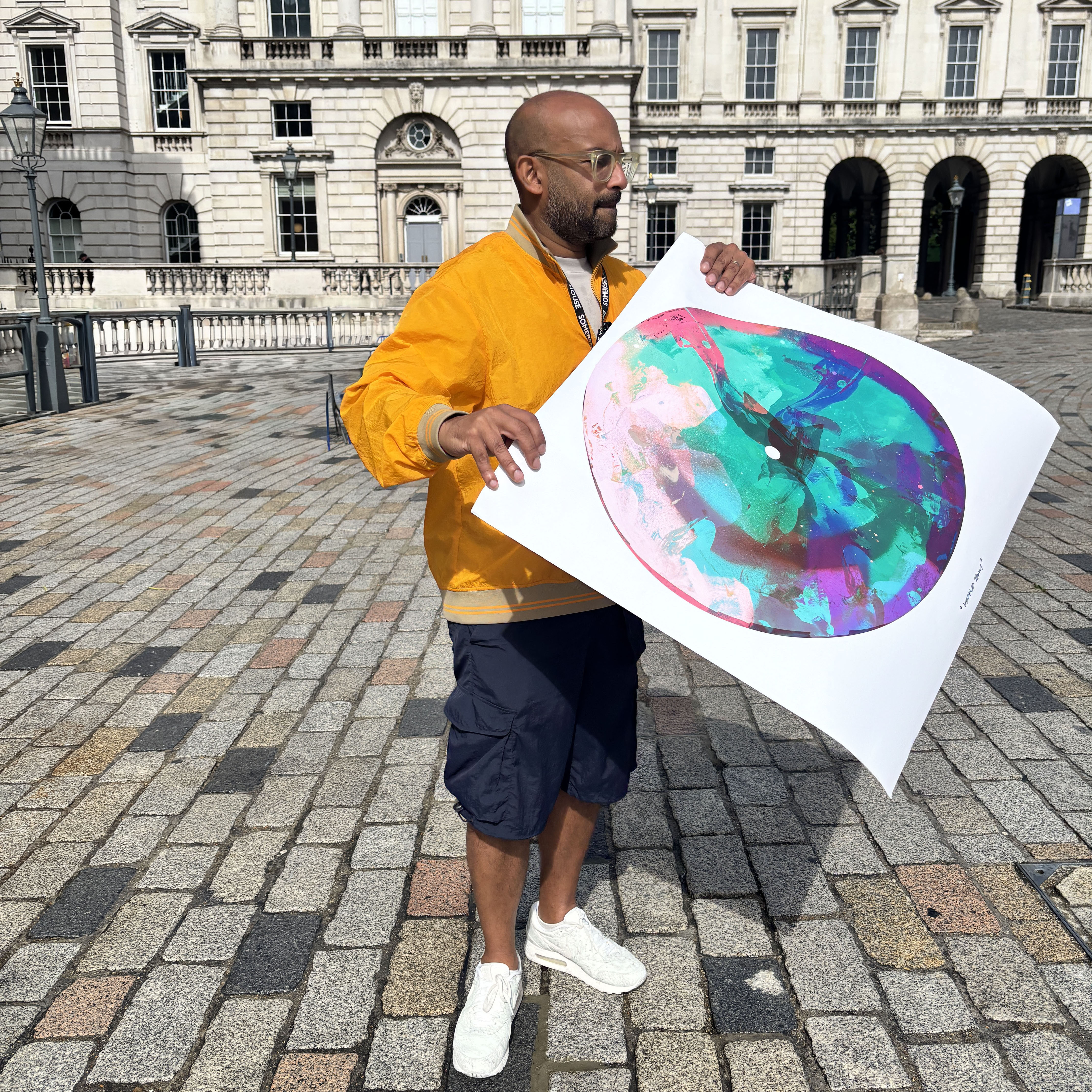
Artistically, Sunil’s work has always examined overcoming adversity, but it has only been in the last year that he has felt comfortable talking about his own epilepsy more widely. Having been seizure-free for 17 years, Sunil had a seizure two years ago. A year later, while taking time off work due to a back problem, and he had another seizure. He didn’t think too much about it and focused on recovery. Then last November he had another seizure.
Sunil said: “The thing with epilepsy, everyone’s experiences are different…it differs so much…from person to person…a really important part is acceptance….it is so easy to feel so anxious...I must admit I really work on trying not to feel guilty because you do have to look after yourself.
I have to step back from the studio sometimes. For half a day, if I’m not feeling right. There is real confusion and mental fatigue. Erring on the side of caution…If I need to take time off, I will take time off.”
He has built a successful career as a multimedia artist, and his epilepsy informs his art, but it wasn’t until recently that he felt he could come forward and, in his own words, ‘expose’ himself as a person with epilepsy. Sunil spoke openly about how he felt that he had gone back to square one, as he had to stop working, lost jobs and hasn’t been able to express himself creatively. Fortunately, an increase in his medication appears to have stabilised his seizures, but he is anxious about what happens the next time.
He said: “Talking about epilepsy has been important. I’ve been pleasantly surprised by feedback. It’s made me realise that in the media, in society and public discourse, there is no real mention of epilepsy. It’s still quite under-represented and this is my way of trying to readdress this balance. I have to push forward, it is important. It is something I need to do.”
Viewing Sunil’s art
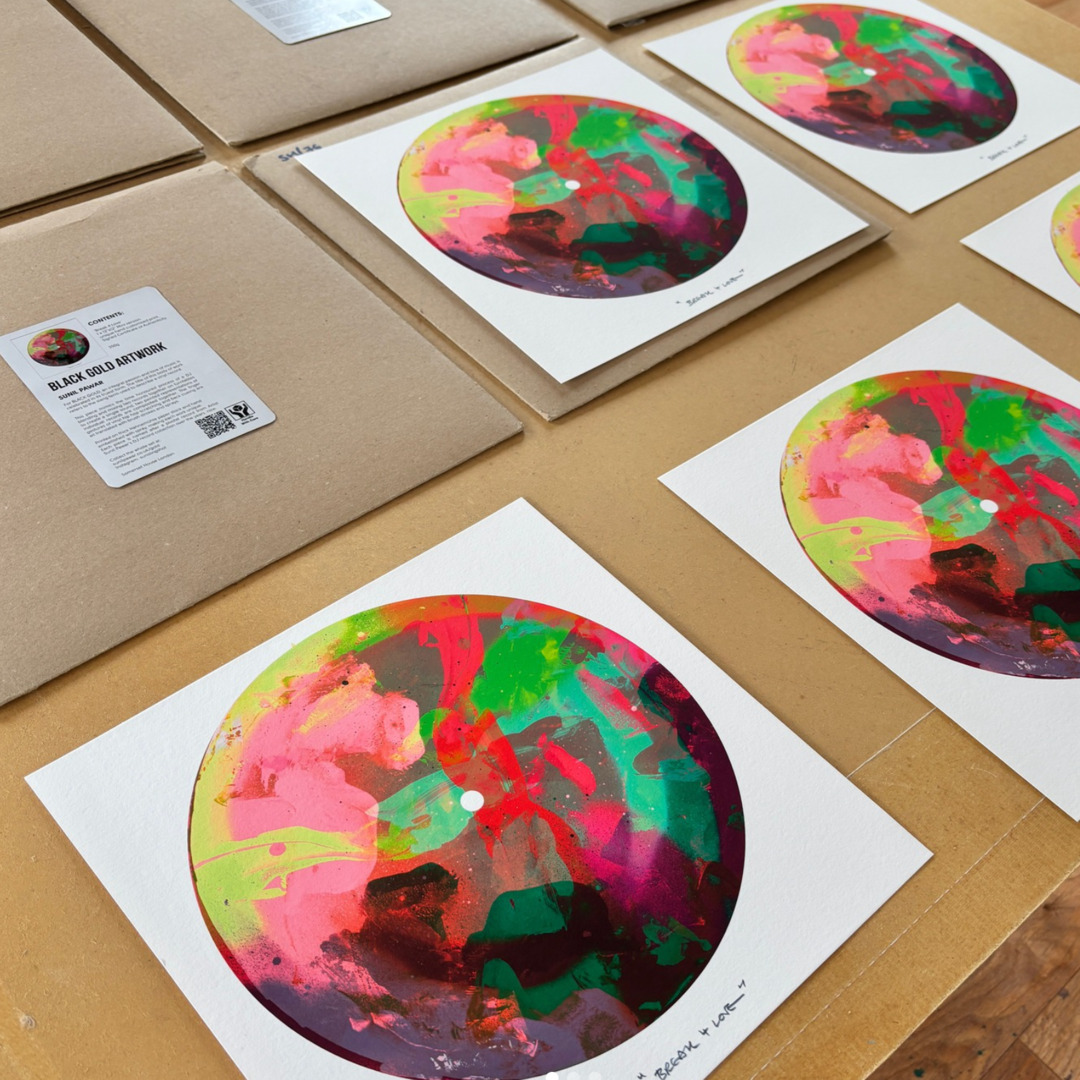
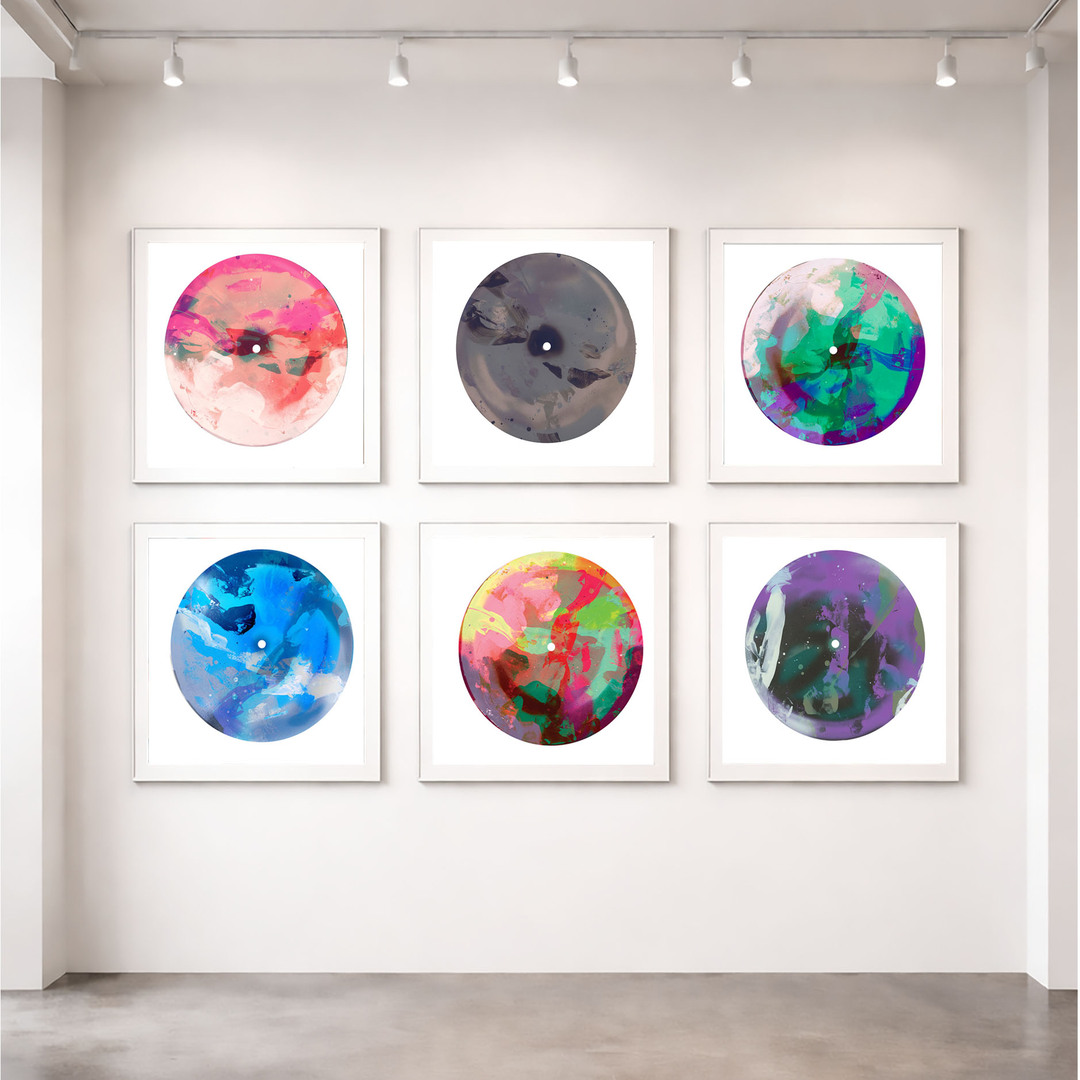
The Wellcome Collection has recently acquired Sunil’s multimedia artworks called Live Well, which express not only seizures, but also the struggles he faced and faces on a daily basis.
Sunil is currently based at Somerset House in London, you can see his portfolio at SUNIL PAWAR.
Sunil's art
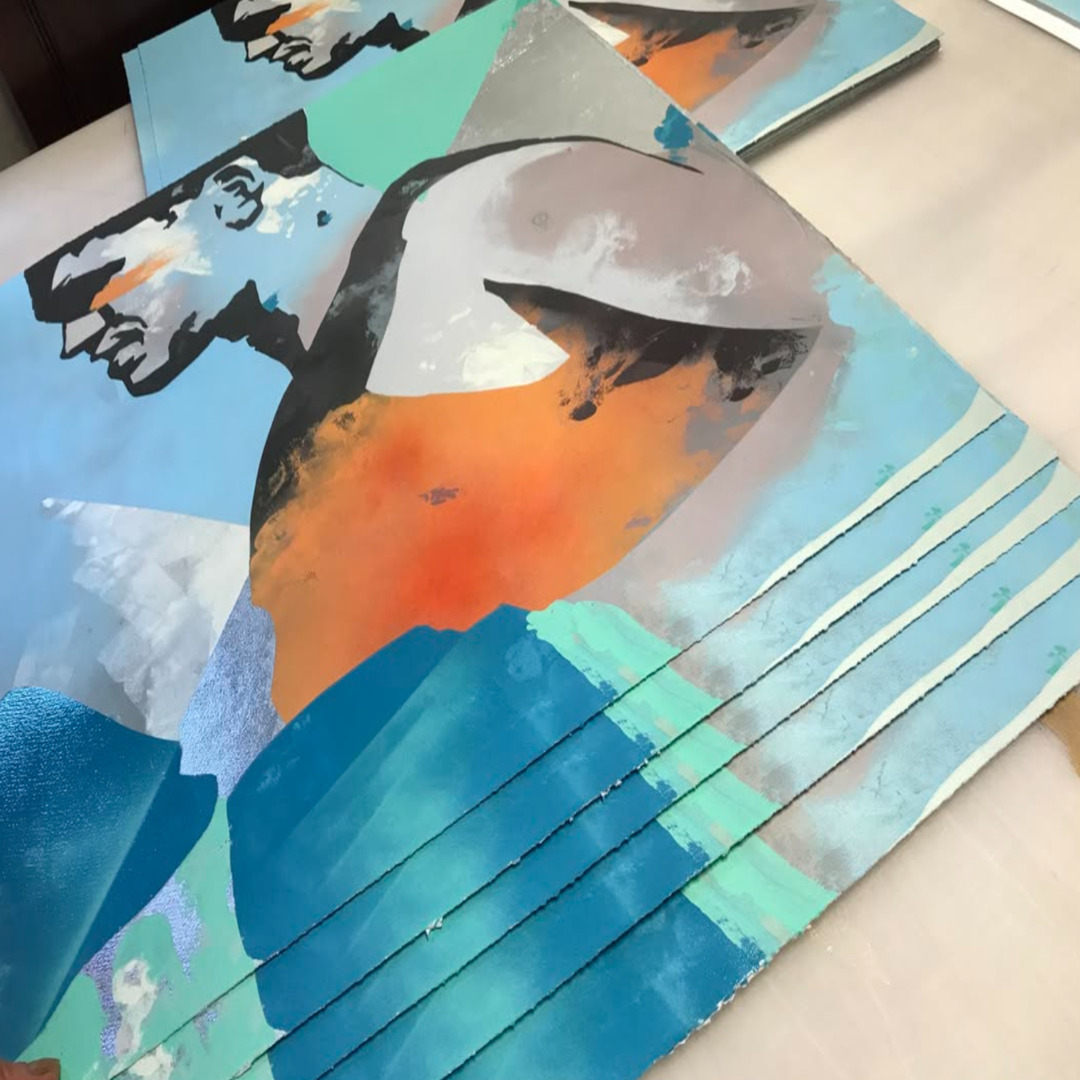
Here are some examples of Sunil's artwork.