
Naomi's story
Naomi's first seizure came completely out of the blue when she was 14 years old. Doctors attributed it to a severe urinary tract infection. Four years later, she experienced another seizure and was once again told that a urinary tract infection was the cause.
The Long Road to Answers
As time went on, Naomi's seizures became more frequent. By 2023, they had escalated significantly, with Naomi experiencing multiple seizures that lasted longer than five minutes. Frustrated by the lack of clear answers, she sought help from a new neurologist. After a series of tests, Naomi was finally diagnosed with temporal lobe epilepsy and was told she had been experiencing focal seizures and tonic clonic seizures.
In the months leading up to her diagnosis, Naomi had spent countless hours researching her symptoms online through NHS resources and social media platforms such as TikTok, where she found people sharing experiences similar to her own. So when the diagnosis finally came, it brought an unexpected sense of relief.
"I had mentally prepared for it," Naomi recalls. "It was reassuring in a way because it meant there was actually something there. It felt like a weight had lifted."
While finally having an answer was comforting, the diagnosis also brought immediate and significant changes, particularly the loss of her independence.
"It felt like I couldn't do anything," she says. "I didn't even want to go for a walk because I was scared I'd have a seizure."
Simple tasks that once felt routine suddenly became daunting. She could no longer drive to work after having to give up her licence. Visiting family, travelling independently and maintaining a sense of freedom all became much more difficult.
The lack of open conversation and understanding around epilepsy left Naomi feeling isolated and embarrassed by her condition. During her lowest moments, she found herself questioning what the future might hold.
"I wondered whether I'd ever feel the same as I did before. Would I ever drive again? There was so much fear of the unknown. I kept thinking, 'This is my life now.'"
Finding the right treatment proved to be another challenge. Reaching an effective dose of Lamotrigine took almost a year, requiring regular adjustments with her healthcare team while managing difficult side effects, including migraines and disrupted sleep.
A Turning Point
Through the most difficult periods, Naomi's family became her greatest source of strength.
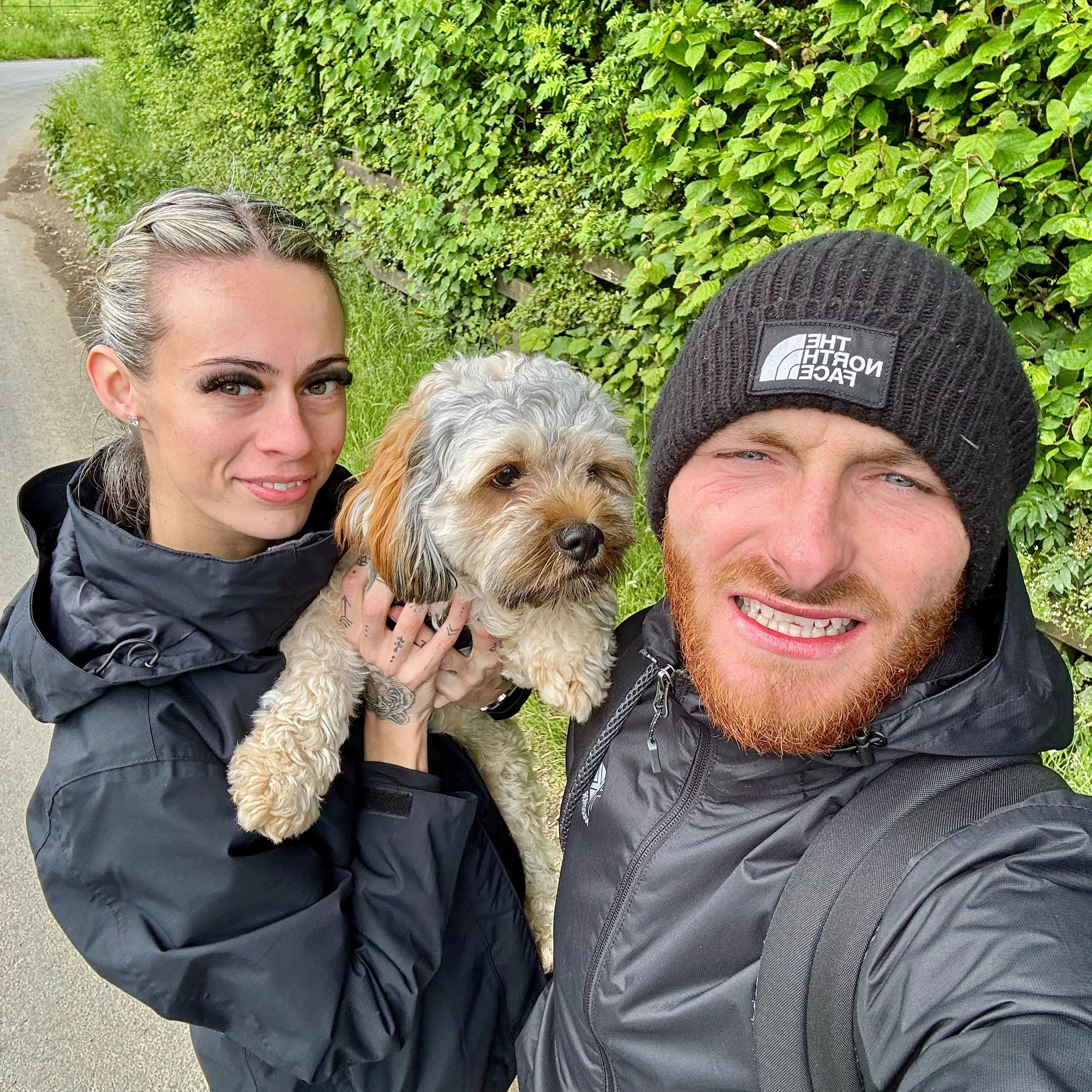
Living with her partner and mother-in-law, and with her parents just ten minutes away, she was surrounded by practical and emotional support. Her partner regularly drove her to appointments and provided reassurance when anxiety and uncertainty threatened to overwhelm her.
Over time, Naomi's outlook began to change: "It is what it is," she says. While simple, that shift in mindset proved transformative. Rather than focusing on everything epilepsy had taken away, Naomi began concentrating on what was still possible.
Although her confidence was growing, a big challenge remained: work. After Naomi’s employment at an aesthetics academy came to an end, she felt anxious about returning to the workplace whilst managing her epilepsy.
Then her partner suggested something she had never considered before: becoming her own boss.
Building a business and Looking Ahead
That idea became a beauty and events business, which she now runs from a converted summerhouse clinic at her parents' home.
Offering facials, skincare education and children's princess parties, the business provides a safe and comfortable working environment while giving Naomi complete control over her schedule. It has also helped her manage social anxiety and create a work-life balance that suits her needs.
Through researching disability rights and speaking with insurance providers, Naomi learned how to advocate for herself and protect her business.
More than a year later, the business continues to grow. Looking ahead, Naomi hopes to use the platform not only to educate people about skincare, but also to raise awareness of hidden disabilities and the challenges many people face while living with long-term health conditions.
Alongside her business, support from the epilepsy community has played an important role in her journey. Connecting with others through the Epilepsy Society Facebook group and receiving messages from people living with epilepsy, including some from as far away as Canada, reminded her that she was not alone.
Today, Naomi has been seizure-free for more than eight months. She has rediscovered her love of the outdoors, enjoys camping again and no longer lets fear dictate her plans.
When asked what advice she would give to others facing a similar journey, her answer is clear: "Don't give up. Keep pushing for answers. It's not just one medication that works for everyone. Open up to your doctors and GP. Don't be scared to say, 'This isn't working for me. Can we try something else?'"