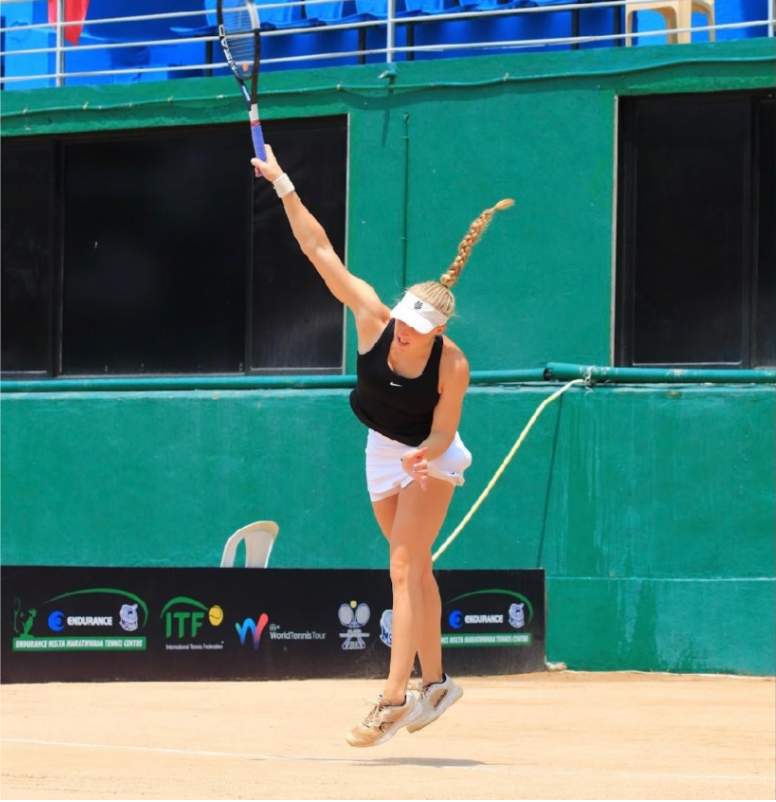
Melissa's story
Melissa was born in the UK but moved to the Netherlands at the age of three. She picked up a tennis racket at just five years old after watching her brother play and quickly fell in love with the sport, especially the freedom of hitting the ball as hard as she could.
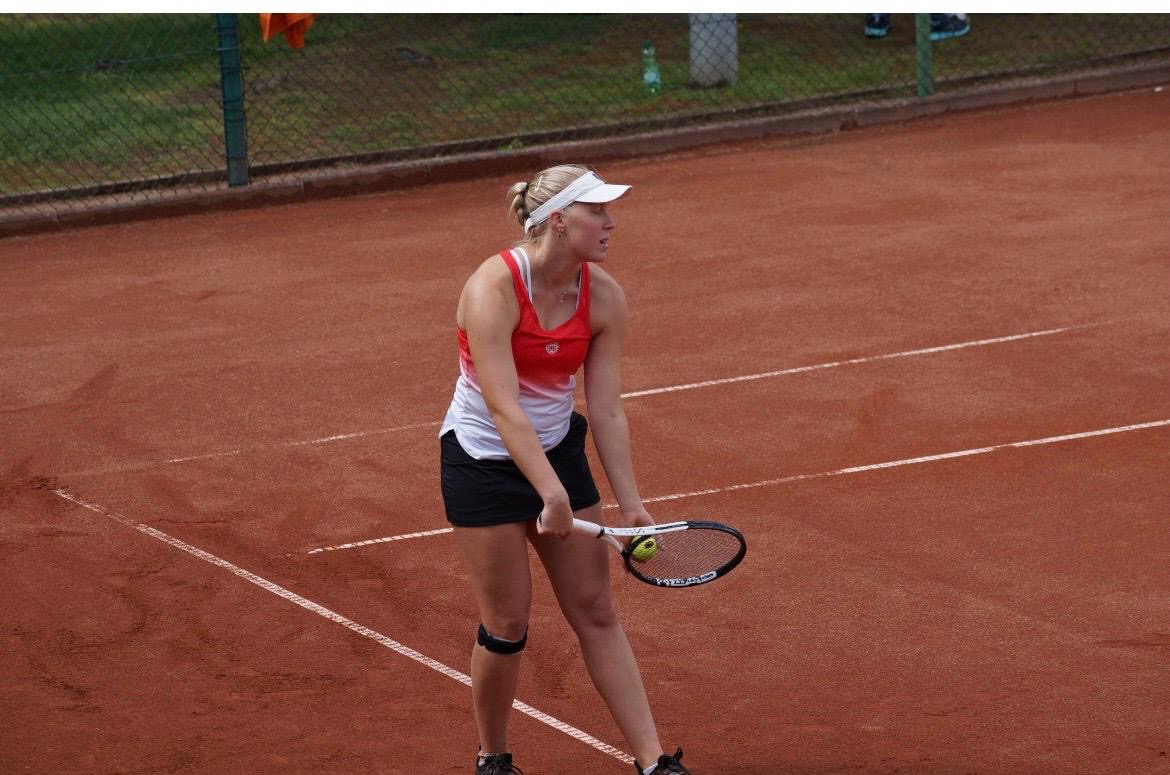
Her talent developed rapidly, and by the age of 10 she was already dreaming of becoming a professional tennis player.
But in 2019, aged 15 years old, Melissa began experiencing moments where she would ‘blank out’, unable to speak and losing awareness of her surroundings. She later learnt these were absence seizures.
The episodes became more frequent, and Melissa went to the hospital for tests. She was diagnosed with epilepsy. At first, Melissa knew very little about the condition; all she knew is that it would mean she wouldn’t be able to drive.
Soon after, doctors discovered the cause of her seizures: a brain tumour. She was told there was a strong possibility that her epilepsy could worsen over time, potentially leading to other types of seizures, including tonic-clonic seizures.
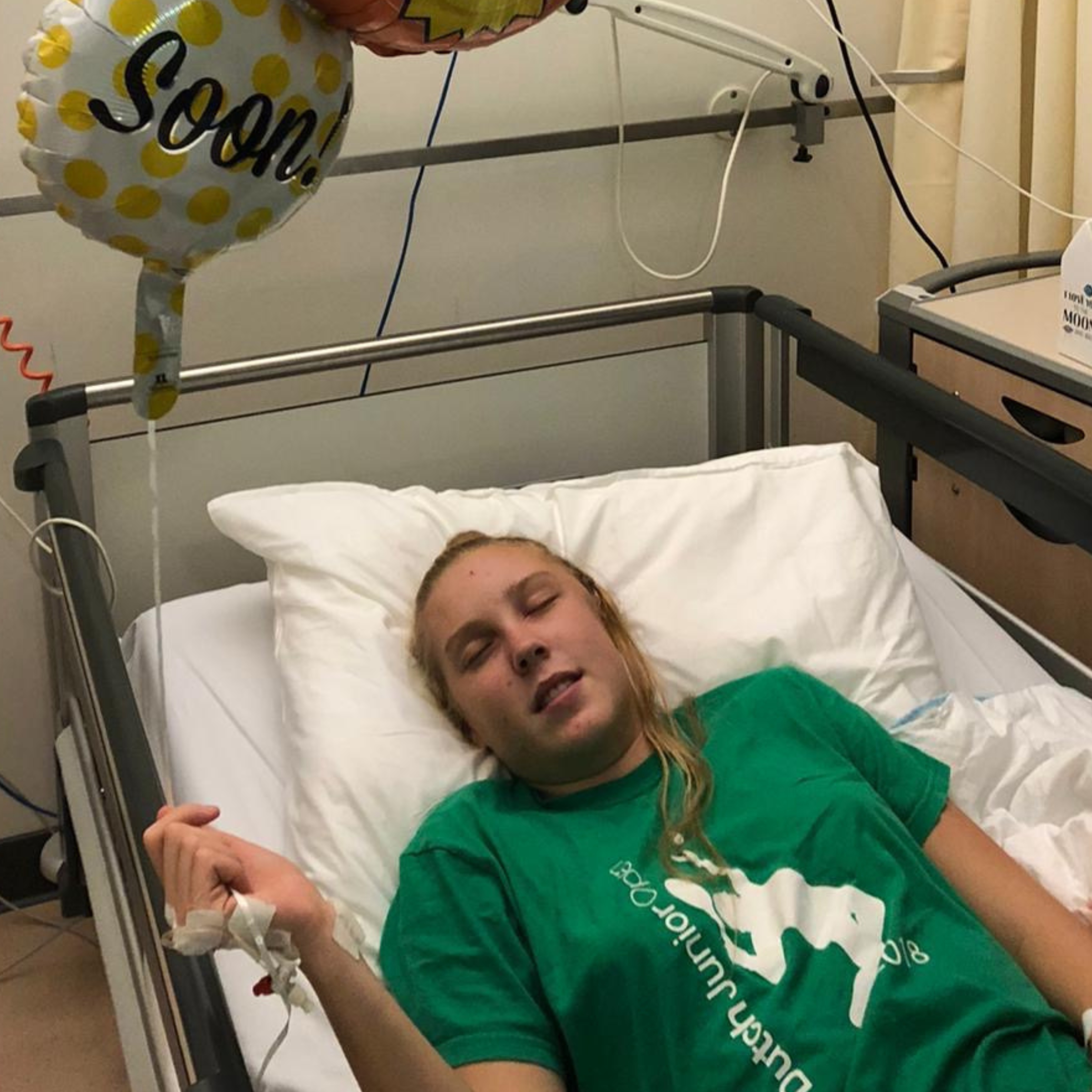
Melissa was offered surgery to remove the tumour, but the risks were significant, including the possibility of losing her sight. Then came the most devastating news of all. During a meeting with her doctor, neurologist and surgeon, Melissa was told that whatever the outcome, she would no longer be able to play tennis.
Melissa faced a stark choice: continue playing tennis, risking more, and potentially dangerous, seizures; or have surgery and turn her back on her life’s ambition? After conversations with her parents, Melissa decided to go ahead with the surgery in October 2019.
Looking back, she says the hardest part of recovery wasn’t the physical impact but the sudden stillness: going from training up to five hours a day to being completely bed-bound. Gradually, her recovery progressed well, and her absence seizures stopped.
Despite what her doctors had told her about giving up tennis, Melissa was not ready to let go of her dream. Determined to return after surgery, she eventually stepped back onto the court and carefully began rebuilding her strength and gradually working her way back into training.
Seven years later, Melissa has not looked back. She has achieved her ambition of becoming a professional tennis player and now competes in international tournaments. Her next goal is becoming a top 100-ranked player.
She says: “I was very lucky to have my seizures stop. With determination, I was able to fight through my recovery and achieve my ambition of becoming a tennis pro. I know epilepsy is different for everyone, and many people aren’t able to have their seizures stopped or controlled but I hope my journey encourages others to hold onto hope and to keep exploring what’s possible for them.”