Showing my age but I remember the very first episode of Eastenders which opened with a mysterious death. As the soap celebrated its 40th anniversary last year, I must admit my knowledge of the key characters is a little out of date although I recognised a few familiar faces when watching it last night.
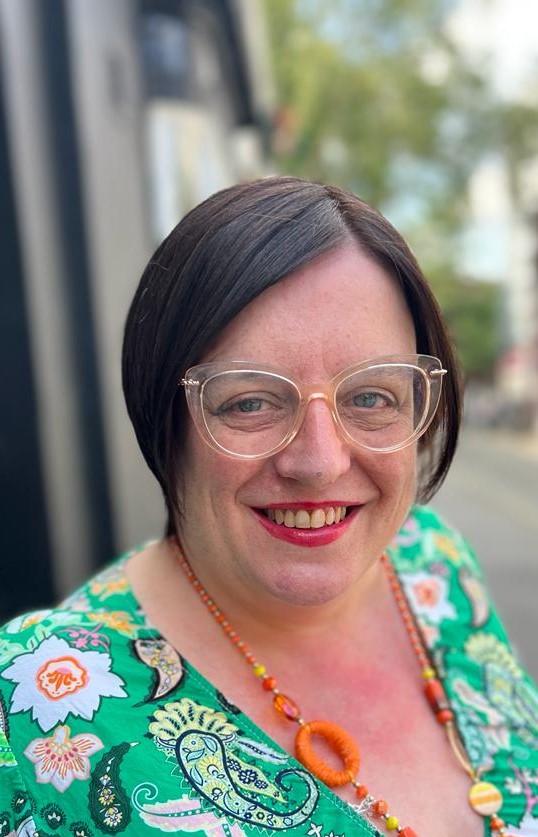
My reason for watching? I am the communications manager at Epilepsy Society and I was the person who opened the email asking if we could advise on an upcoming storyline about epilepsy for a BBC drama. It’s been a fascinating experience and a real team effort involving our helpline team, neurologists and my colleagues in our external affairs department.
We often get approached by journalists, writers and documentary makers wanting advice or information about the many different aspects of epilepsy. Whether that is to better understand the different seizure types (there are 21), information about previous driving regulations, medication, triggers for seizures or to follow up on the impact of medication shortages, we are the central hub to field queries.
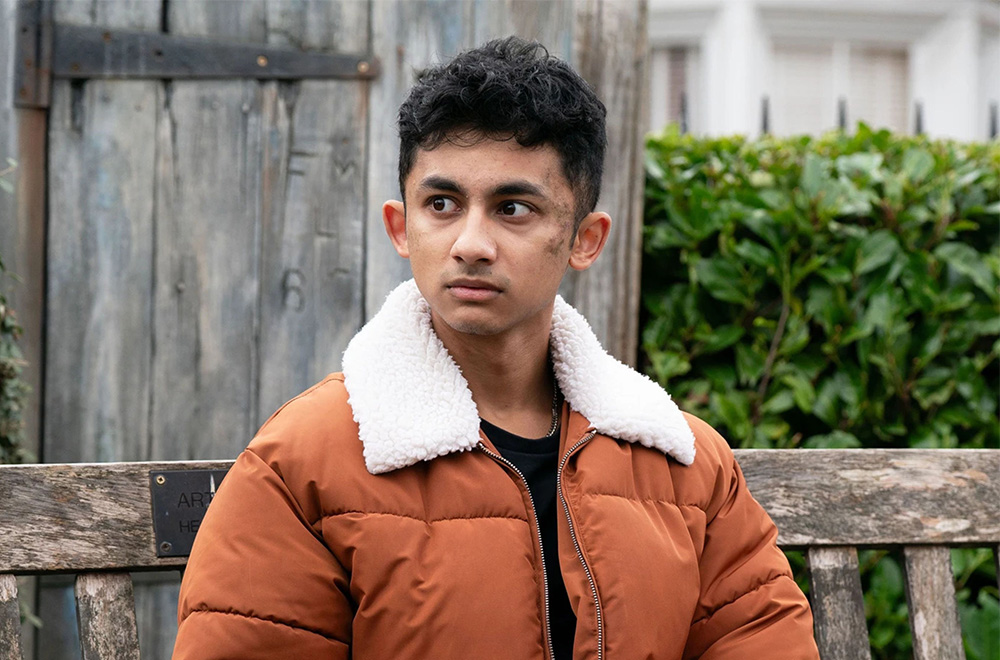
It’s always exciting when we get a story in the newspapers, on tv or radio which highlights just how life-changing an epilepsy diagnosis can be and how it affects people so differently. But you can’t beat the opportunity to start conversations and tackle stigma when the condition is a major storyline for a much-loved character on Eastenders. With up to three million people tuning in each episode, we hope this is a real water cooler moment. We often hear from people with epilepsy who want others to understand that it is ‘more than just seizures’ and the team have been amazing trailing this story with Nugget feeling tired, irritable and overwhelmed following his brain injury.
While I can’t go into the mechanics of what was involved in advising the Eastenders team, we need to preserve a little mystery and magic, we were all very impressed by the amount of research the team did. Our job was to make sure that epilepsy was portrayed accurately no matter what the situation and also how other characters speak about the condition.
It being a BBC drama, we couldn’t have direct messaging about Epilepsy Society or explicitly have characters using our Calm, Cushion Call seizure first aid but we are delighted that such a serious condition is being discussed on Albert Square. Not revealing any secrets or spoilers, we hope you find the portrayal by the actor Juhaim Raul Choudry accurate and that it helps you all being able to share your own stories and encourage others to learn about epilepsy.
Do let us know what you think about the storyline as it unfolds! You can comment on our social media posts or email us at press.office@epilepsysociety.org.uk