
BBC 5 Live presenter talks about his epilepsy on flagship breakfast programme
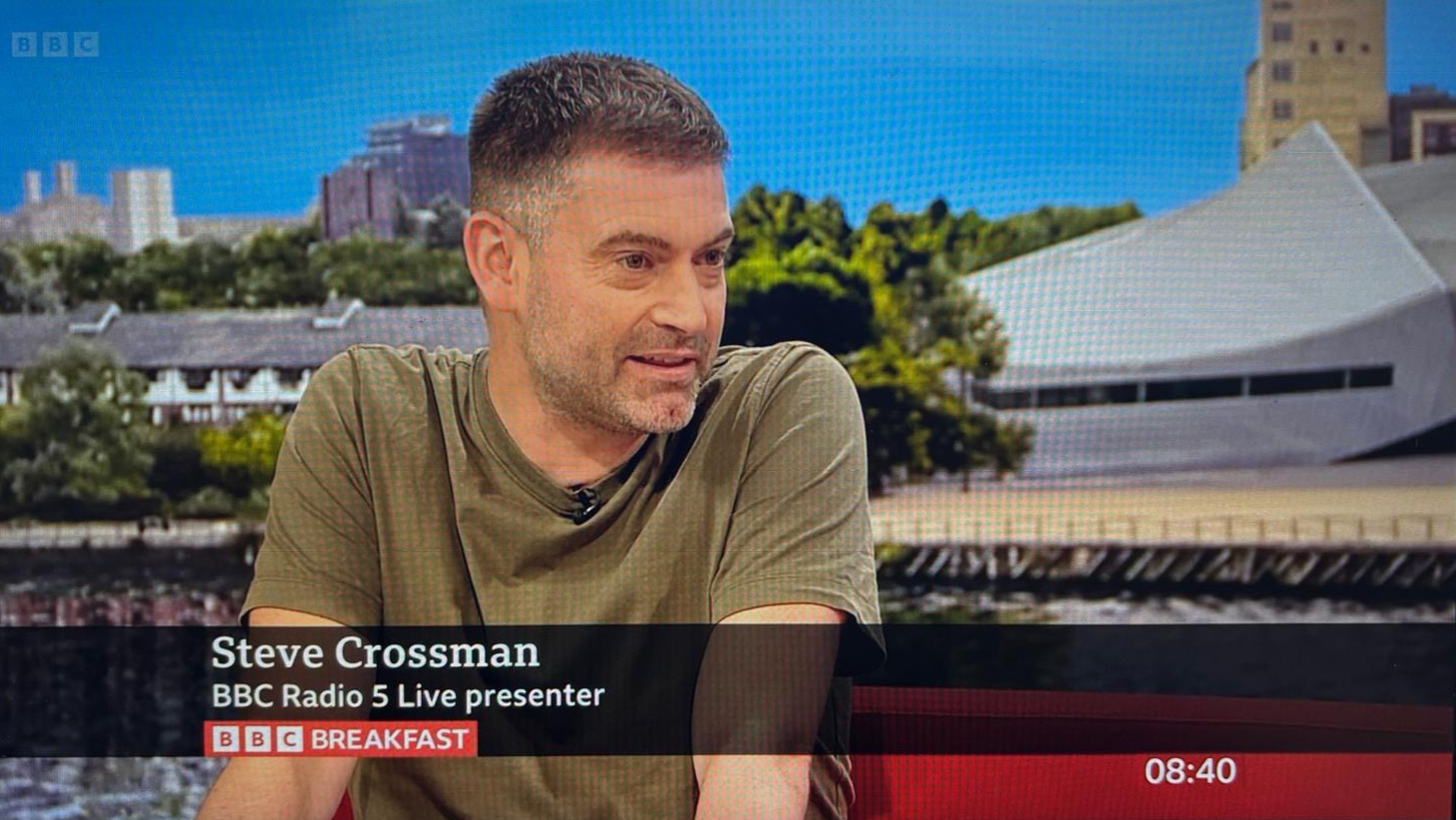
Steve Crossman was reporting live on the World Cup action in Mexico last month when he had a tonic clonic seizure. Fortunately, his colleagues knew their seizure first aid and were able to look after him and keep him safe. Steve was on the BBC Breakfast couch this morning talking about his experience and why he is running the London Marathon next year for the Epilepsy Society.
He is running in memory of his sister Jill, who also had epilepsy and sadly died from SUDEP (Sudden Unexplained Death in Epilepsy) in 2017. Steve spoke about how he and his sister had different experiences of epilepsy. He has infrequent seizures and hadn’t had a seizure in five years. Steve doesn’t get an aura or any warning of a seizure, but his sister would usually know and be able to get herself to a safe place. However, he remembers him and his brother watching her fall down the stairs having had a seizure and they needed to call an ambulance.
We are so grateful to Steve for raising awareness of epilepsy and also explaining seizure first aid. Our simple message is Calm, Cushion, Call. Make sure there are no objects nearby that the person might bang against; cushion their head and time the seizure.
Usually, when a person has a seizure, there is no need to call 999 for an ambulance. However, always do call an ambulance if:
- you know it is the person’s first seizure
- they have injured themselves badly
- they have trouble breathing after the seizure has stopped
- one seizure immediately follows another with no recovery in between
- the seizure lasts two minutes longer than is usual for them, or
- you do not know how long their seizures last.
For someone you do not know, follow our basic first aid message: Calm, Cushion, Call.
You can watch Steve's interview which starts at 2.40.11 : Breakfast - 01/07/2026 - BBC iPlayer
All our London Marathon places have been allocated, but if anyone is lucky enough to gain an entry through the ballot, do please think about running for the Epilepsy Society.
London Marathon | Epilepsy Society