
Travel and holidays
Having epilepsy should not usually prevent people from travelling. Planning ahead can help you stay well and make the most of your trip. This information gives some ideas to consider if you are planning to travel.
Check the current guidance
Laws and guidance about travelling in and out of the UK can change. Check the government website for up-to-date advice on travelling abroad, including the latest information on vaccinations, safety and security, entry requirements and travel warnings for your chosen destination.
Plan ahead
Planning ahead and making sure you have everything you need for your trip can help to make travel more enjoyable and relaxing. Speak to your GP or epilepsy nurse about your travel plans at least eight weeks before your trip. They can tell you what arrangements you need to make, and help you to prepare to travel safely, depending on your individual situation.
If possible, find out how you would get medical help if necessary in the location you are travelling to.
Medication
Different countries have their own rules and regulations about travelling with medication (including over-the-counter medicines, which may be controlled in other countries). Rules vary about:
• the types of medication you can take into the country, (some countries do not allow some medicines in at all);
• how much you can take in and bring back;
• what paperwork or information you will need; and
• how you should carry your medication.
It is a good idea to check with the embassy in the UK for the country you’re visiting.
Some prescribed medicines have extra legal controls in the UK and you may need a special licence to take them abroad and to bring them back into the UK. Check the current situation on the government website and with the embassy of the country you are travelling to (see above).
Think about how you will carry your medication on the journey. Take the medication in its original packaging with a copy of the prescription, and your NHS app with details of your medication. The NHS website has useful information about travelling with medicines.
It is a good idea to take more medication than you think you will need just in case your trip is delayed. However, if you are going away for a long time, your doctor may not be able to prescribe enough for the whole trip.
Some medicines may not be available in other countries or may have a different name. Your GP, pharmacist, or the drug manufacturer may be able to tell you more about this.
If your medication is available in the country you are visiting, you may be able to get a prescription from a doctor in that country. You may have to pay for this. Usually you need a copy of your prescription or a letter from your doctor. You may have to get these translated.
If your medication is not available in the country you are travelling to, you may be able to pay to have the medicine sent out to you. Check with the embassy of the country you are visiting.
Vaccinations
Travel vaccinations can protect against infectious diseases when visiting some countries. Most vaccines will not affect a person’s epilepsy, anti-seizure medication (ASM), or seizure control.
However, if you are aware that you may have a feverish reaction to a vaccination, which could be a seizure ‘trigger’ for you, it may help to seek advice from your GP or specialist.
Check what vaccinations are required for the country you are visiting and what paperwork may be needed. It is a good idea to do this well in advance as some vaccinations have to be given a number of weeks ahead of travel.
Anti-malarial medication
Some anti-malarial medications can trigger seizures and are not suitable for people with epilepsy. If you need to use anti-malarial medication, your GP can advise you which medication will suit you best. The NHS website has information on malaria.
Global Health Insurance Card (GHIC)
Most UK residents are entitled to free, or reduced cost, emergency medical treatment during short visits to the European Economic Area.
You will need a Global Health Insurance Card (GHIC). This replaces the European Health Insurance Card (EHIC). If you have an EHIC it will be valid until it expires but then you will need to apply for a GHIC to replace it. Both the GHIC and EHIC are free. They last for up to five years. Apply for your new card through the NHS website. Avoid unofficial websites as they may charge you a fee to apply.
If the country you are visiting charges for GP consultations, prescriptions, or stays in hospital, you will need to pay for these.
The NHS website has further information on the cards and how to apply.
A GHIC or EHIC does not replace the need for travel insurance. It may not cover all health costs and never covers the cost of getting you home if you are taken ill or are injured abroad.
Travel insurance
The NHS advises everyone to have private travel and medical insurance for the duration of your trip.
Travel insurance companies look at each individual’s circumstances before giving a quote. Having epilepsy may mean that there is an increase in the premium you pay but this will depend on the type, frequency, and severity of your seizures.
Giving as much information as possible about your epilepsy may help the insurance company to give you an accurate and fair quote.
As with taking out any insurance policy, it is worth contacting a number of companies to get the best quote for your situation. Check your travel insurance policy carefully. For example, some travel insurance companies insist you have a GHIC if applicable.
Flying
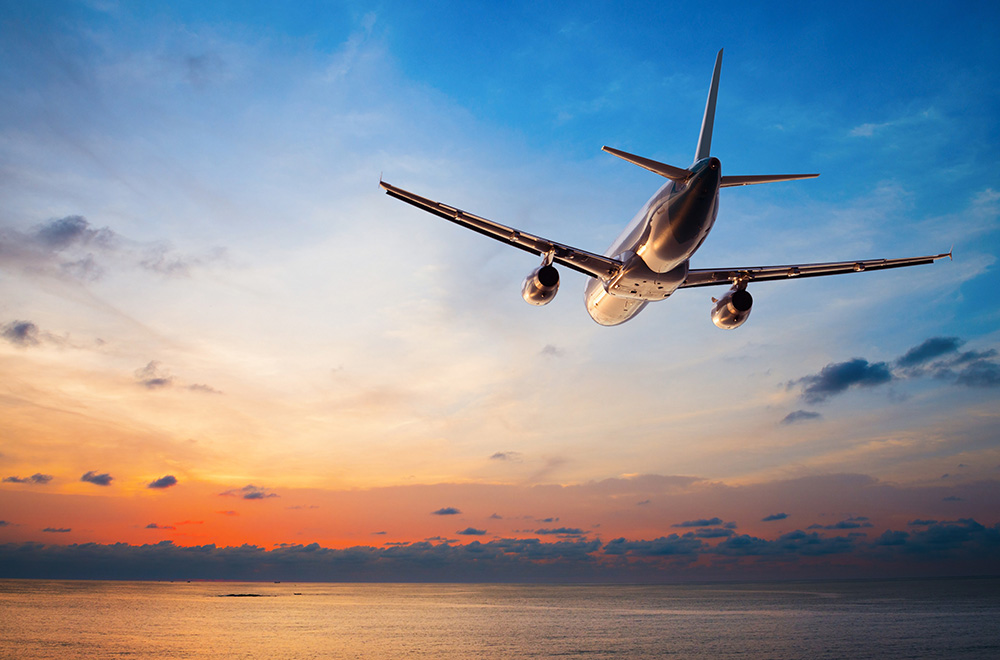
Having epilepsy does not usually prevent people from being able to fly. However, some people’s seizures are triggered by being very tired (which could happen because of long journeys or ‘jet lag’). Some people’s seizures can also be triggered by anxiety or excitement, which can affect some people when they are flying.
If there is a chance that you might have a seizure on the plane, it is useful for someone travelling with you to know about your epilepsy and how to help if you have a seizure. Also, telling the airline about your epilepsy when you book means that they can let the cabin crew know about your seizures. Some airlines may have policies that may affect you. For example, if medical clearance is required due to you having seizures, or policies on how long after a seizure you need to be clear before you can fly.
Take your medication, including emergency medication, if prescribed, in your hand luggage, in its original packaging, with a copy of your prescription, and a doctor’s letter if you have one. You could also pack some medication in your hold luggage, with a copy of the prescription, just in case you lose your hand luggage.
Current airport security regulations allow you to carry tablets and capsules, or liquids up to 100ml, in your hand luggage, although some airports have removed the liquid limit. If your medicine is a liquid in a container larger than 100ml, check with the airport before you fly.
You may need to have a letter from your GP or specialist explaining about your epilepsy and the medication you take.
If you have a vagus nerve stimulator (VNS), at the airport you can provide security officers with your VNS Therapy ID Card, which explains that you have an implanted medical device. This ID card will have been given to you when the VNS was fitted, and each time you have your VNS battery changed you will be given a new one. If you have lost it, you can ask the team who monitor your VNS, or your epilepsy nurse for a new one.
Whilst the security systems at the airport shouldn’t affect your VNS, you can request a pat down check instead of walking through a metal detector.
Visit epilepsysociety.org.uk/vagus-nerve-stimulation
Different time zones and long-haul flights
If you are travelling to a different time zone, you may want to gradually adjust when you take your medication, so that you can take it at a manageable time of the day. If you are going on a long-haul flight, to avoid confusion with time zones, consider setting an alarm to remind you when to take your medication.
Organised holidays
The charity Phab runs holiday schemes around the UK, for people with and without disabilities.
Further information
You may also find the following websites helpful (all links opens new window)
- Disabled Travel Advice - Information and travel advice for people with disabilities.
- Equality and Human Rights Commission - Information about air travel for disabled passengers.
- Foreign and Commonwealth Office - Travel advice and information by country, including safety and security warnings.
- The Hospital for Tropical Diseases - General health advice for travellers.
Information updated: February 2026. Review date: February 2028.
Download this information
For a printed copy contact our Helpline.

Wellbeing
Having epilepsy can have a huge impact on a person's wellbeing including their mood, sleep and relationships.
Safety and risk
If your seizures are controlled by treatment, your safety may not be affected. But if you continue to have seizures, safety may be an issue. Some safety issues may not be relevant to you or you may have your own ideas about what would make situations safer for you. Here are some suggestions to help you think about your safety at home.