

World leading research
Our research philosophy

Research aims
The ultimate goals of our current research are to spearhead personalised treatment and to incorporate genomic diagnosis into the NHS for people with epilepsy.

Cutting edge research
Epilepsy Society's Chalfont Centre is unique in bringing together intellectual capital to form a powerhouse multidisciplinary team who contribute to a wide ranging spectrum of research.

Research areas
Epilepsy Society funded research falls under four integrated areas: genomics, neuroimaging, neuropsychology and neuropathology.

Genomic research
Genomic medicine has the potential to transform the way we care for people with epilepsy, and we believe that whole genome sequencing will help us to unravel the genetic architecture underlying the different types of epilepsy.
Our research explained
The Genomics Research Programme
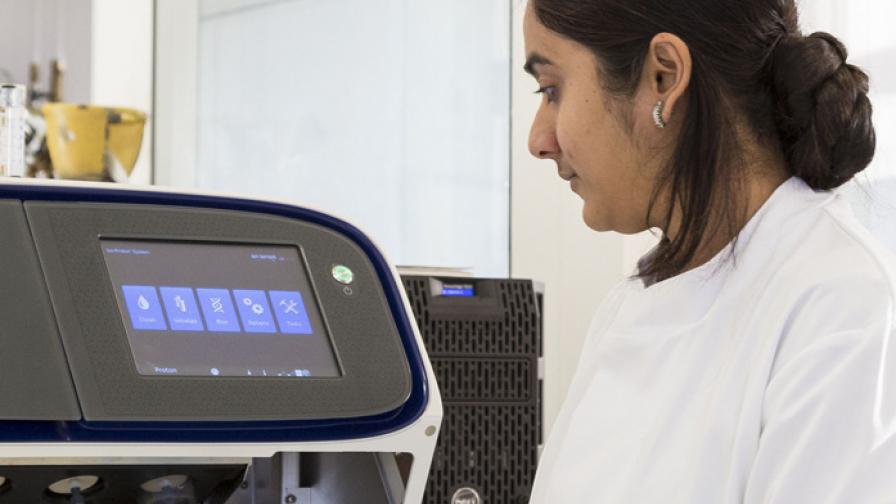
The Genomics Research Programme aims to sequence and provide clinical interpretation of 5,000 genomes in the first instance.
Whole Genome Sequencing
Whole genome sequencing will help us to unravel the genetic architecture underlying the epilepsy of more people.
The Epilepsy Society Brain and Tissue Bank
The Epilepsy Society Brain and Tissue Bank is dedicated to the study of epilepsy, by providing brain and other tissue for a wide range of epilepsy research projects.
Epilepsy Navigator
The Epilepsy Navigator software enables more sophisticated and accurate brain surgery for epilepsy, which will increase numbers of people who can become seizure free.

Our research areas
Epilepsy Society funded research falls under four integrated areas: genomics, neuroimaging, neuropsychology and neuropathology (Epilepsy Society's Brain and Tissue Bank). We also carry out research in other psychological and health service areas and epidemiology (global health and outcomes).
We are part of a unique arrangement with UCL Queen Square Institute of Neurology and the UCLH National Hospital for Neurology and Neurosurgery. This ensures academic and clinical excellence, patient input and relevance of our medical research.
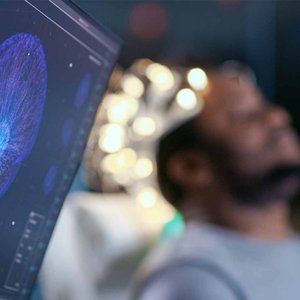
A person being scanned by our Transcranial Magnetic Stimulation (TMS) scanner (pictured right).

Genomics
Read how we are working to understand the genetic architecture of each individual person's epilepsy through our world leading genomics research programme.
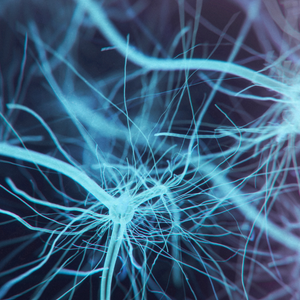
Neuroimaging
Neuroimaging enables us to look deep inside the brain to learn more about the impact of seizures on its structure and function.

Neuropathology
The Epilepsy Society Brain and Tissue Bank is the first of its kind in the UK. It is dedicated to the study of epilepsy through brain and other tissue samples.
Neuropsychology and neuropsychiatry
Our team of consultant neurophysiologists and skilled technicians carry out detailed tests to help with the diagnosis and classification of seizures.

Life changing research
At age 30, Aidan was no longer responding to emergency medication. Four times he had to be put into an induced coma to stop his seizures. Then genetic tests revealed he had a mutation in the SCN1A gene which was causing Dravet syndrome, a severe form of epilepsy. By prescribing him different medication, we were able to help bring his seizures under control.
Epilepsy research papers
We've compiled a summary of our latest research papers for you to read, written by our powerhouse multidisciplinary team who contribute to a wide ranging spectrum of epilepsy research.
These papers give you a snapshot of our teams clinical and research knowledge, which is helping us to further our understanding of people with epilepsy.
Our research
Our researchers
Meet the team at Epilepsy Society leading the way in global research. Our team are passionate about translating research findings to improve the lives of people with epilepsy.

Walk around our laboratory
Take part in our immersive 360-degree experience which takes you on the journey of a genome through our wet laboratory. Our research team will explain what happens to a patient's genome at every stage through video and interactive elements.

Recruiting people for our research
We are receiving many enquiries from people who would like to be part of our genomic research work here at Epilepsy Society. We very much welcome everyone's interest and their commitment to helping us to accelerate progress in understanding the many causes of epilepsy and how it can be better diagnosed and treated.
Research Using Animals Policy
The Epilepsy Society is committed to achieving high standards of service and ethics in all of its practices. This policy sets out our position on the use of animals in research.